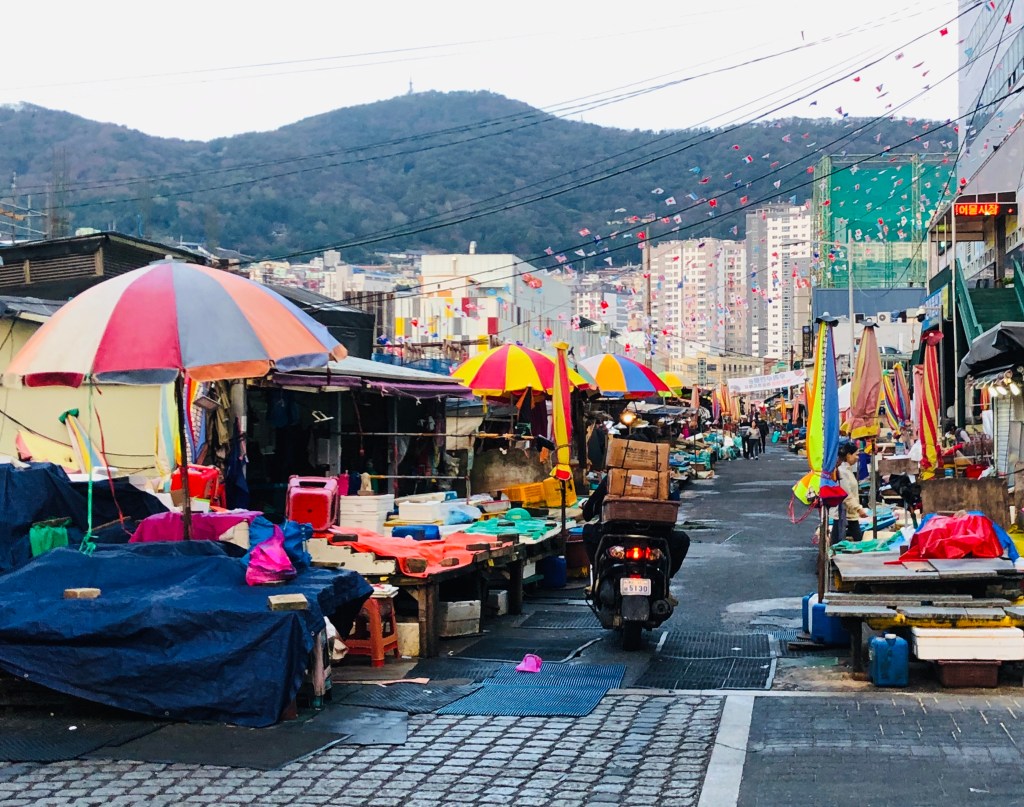
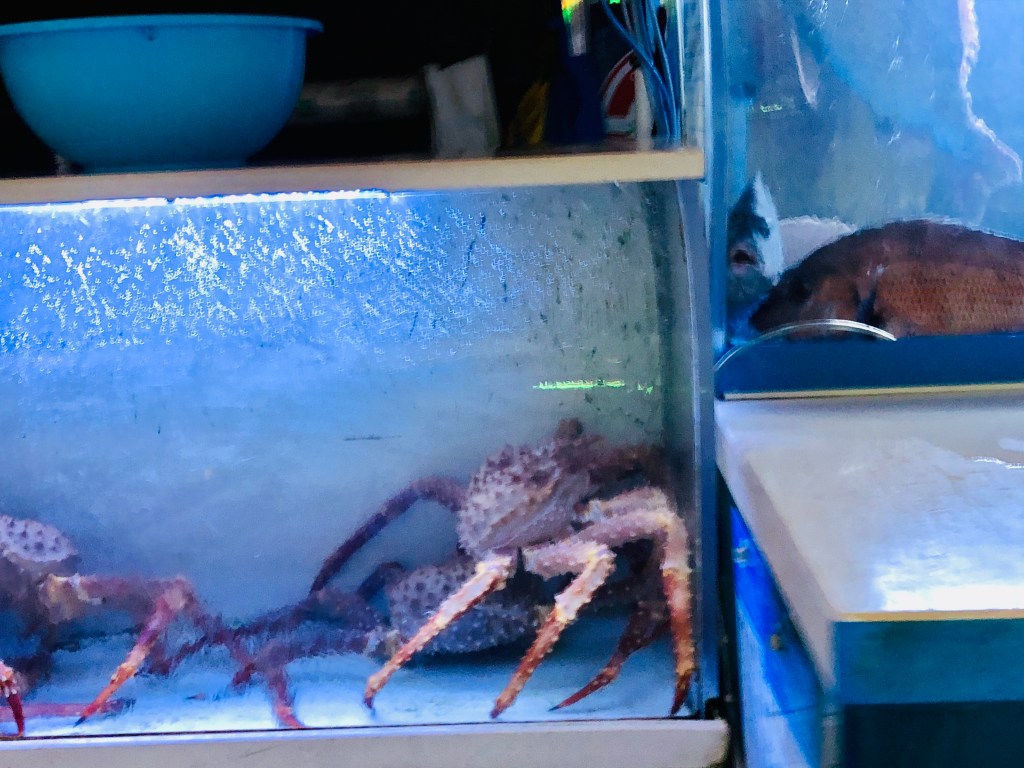
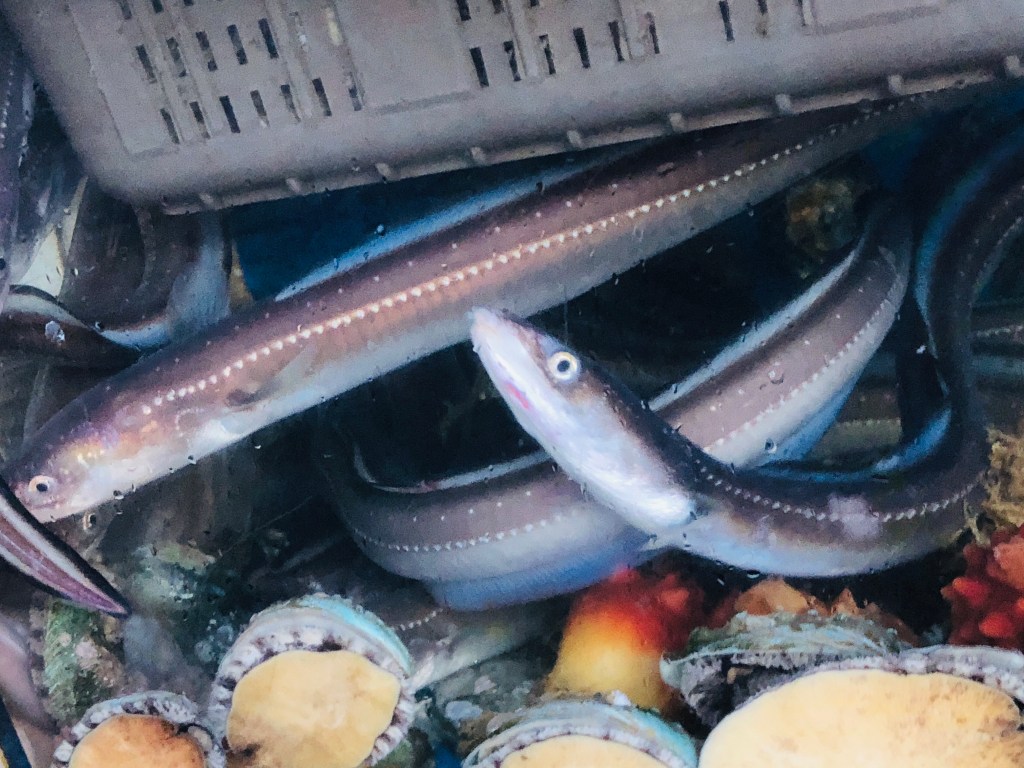
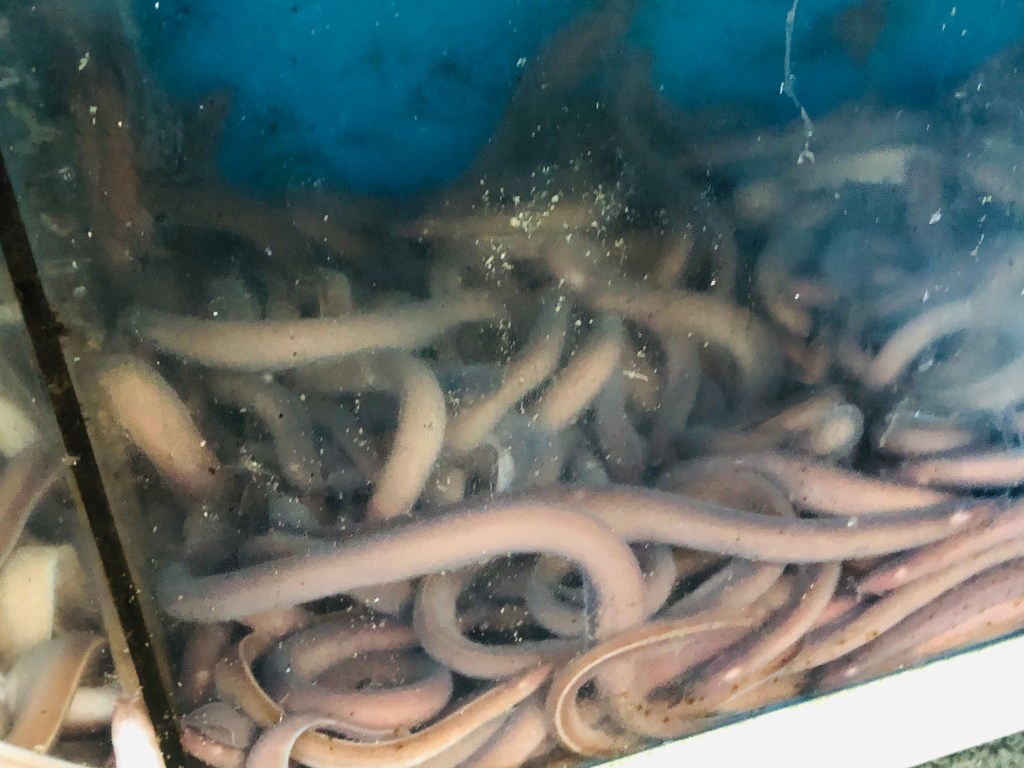
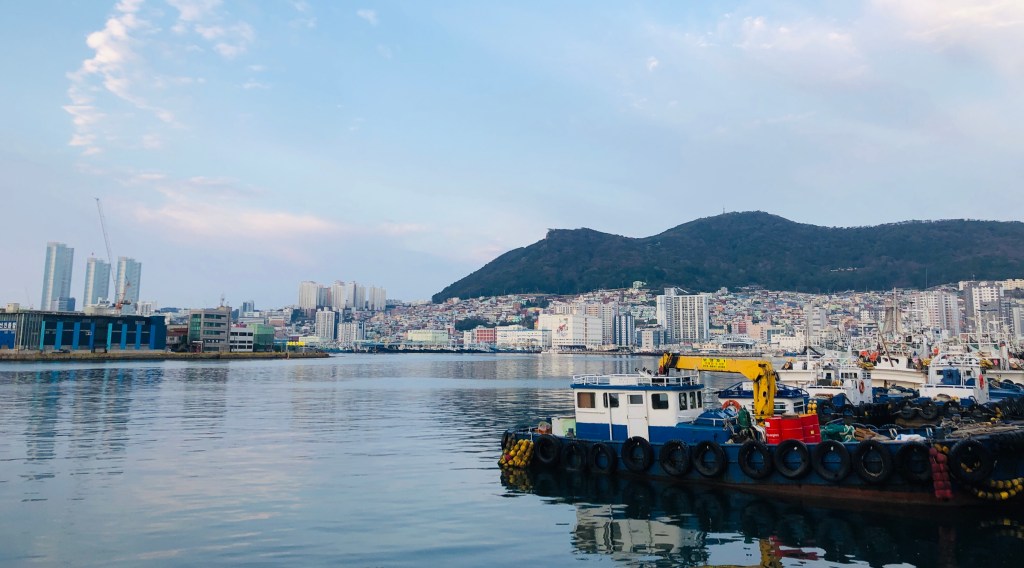
The massive fish market is just coming to life as we ride our bikes out of Busan. This is a working market, housed in a modern three story building on the waterfront and in small ramshackle storefronts spilling out into the street. The cobblestones are wet as vendors hose down sidewalks and the smell of fish and other sea creatures – live, dead, dried and fermented. – is bracing. Upwind of the market, the harbor is wonderful at this hour, with the sun coming up over the buildings, illuminating the hills surrounding the city.


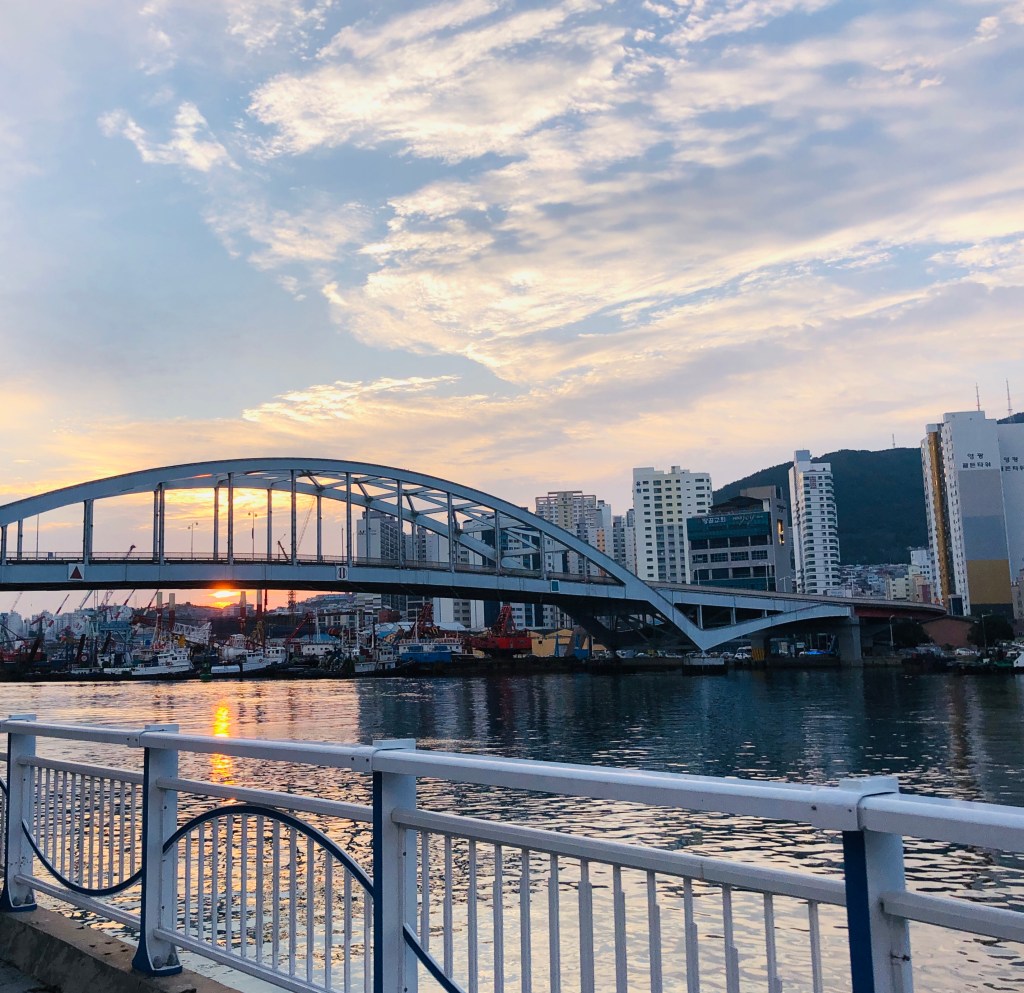
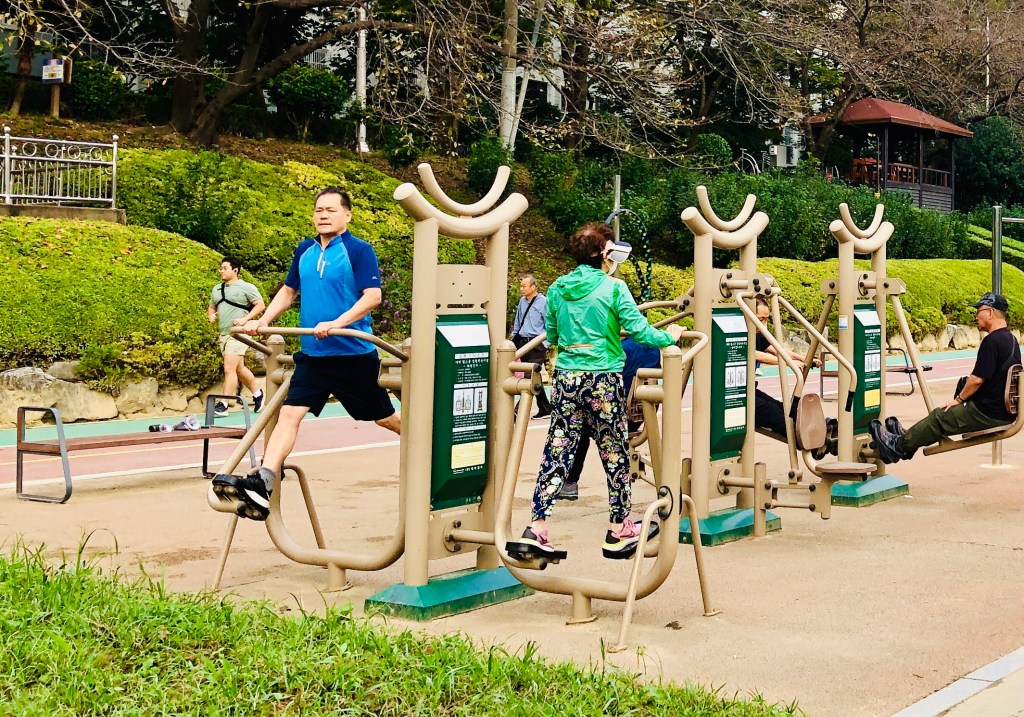
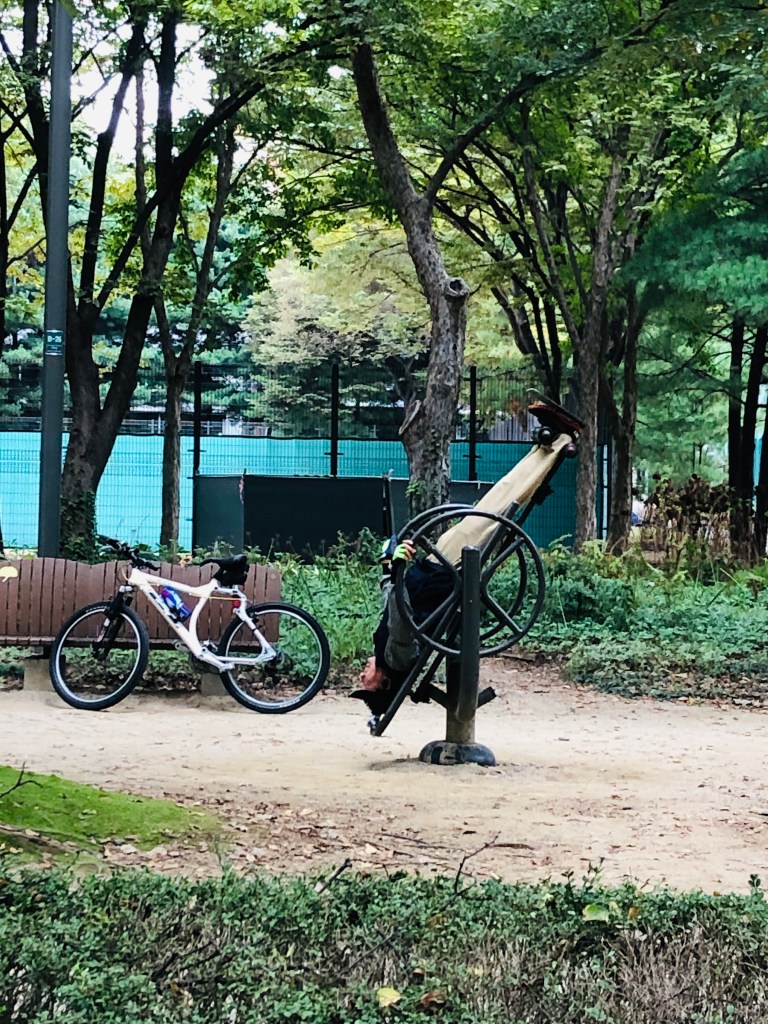
We spend the next hour and a half riding clear across Busan to the bus station. Along the Suyeong-gang river, we are again amazed at the number of people using the great trails to cycle and and walk and the public infrastructure for calisthenics, badminton, stretching, rollerblading, and countless other activities. There is so much life on the streets here.
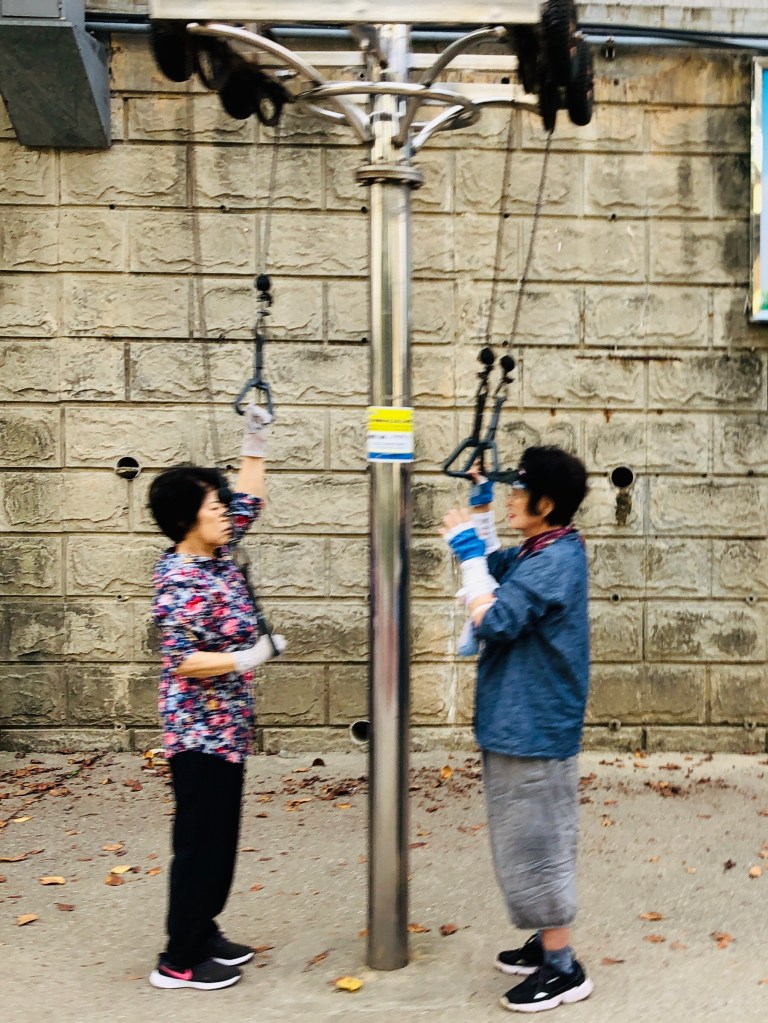
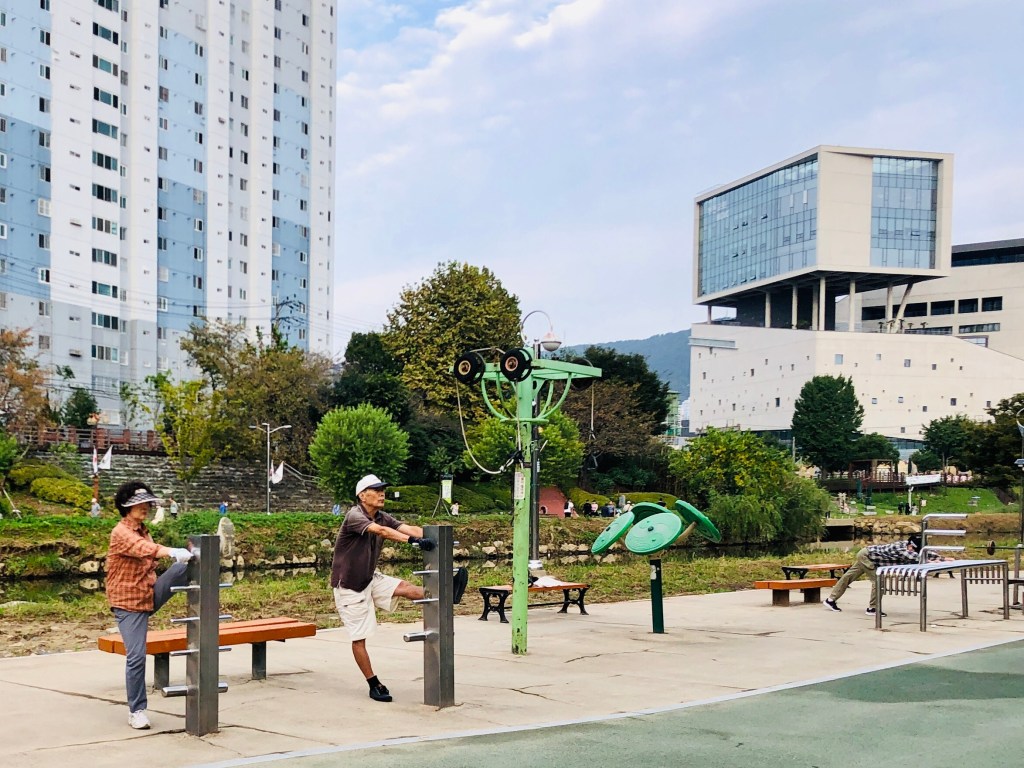
The Busan bus station is clean, pleasant and busy on this holiday weekend. We catch a 9 am bus to Seoul, which departs precisely on time for the five hour trip. Being on a bus feels exhilaratingly fast but lacks the sights, sounds and smells of taking our time on the bike paths and backroads.
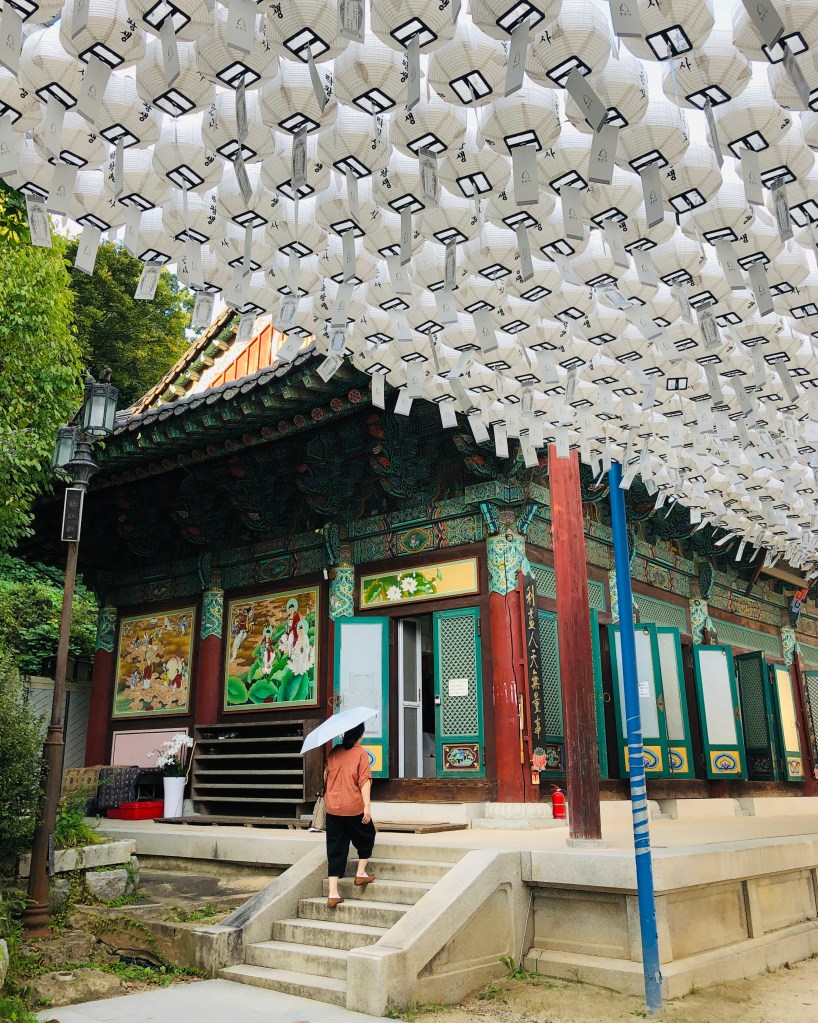
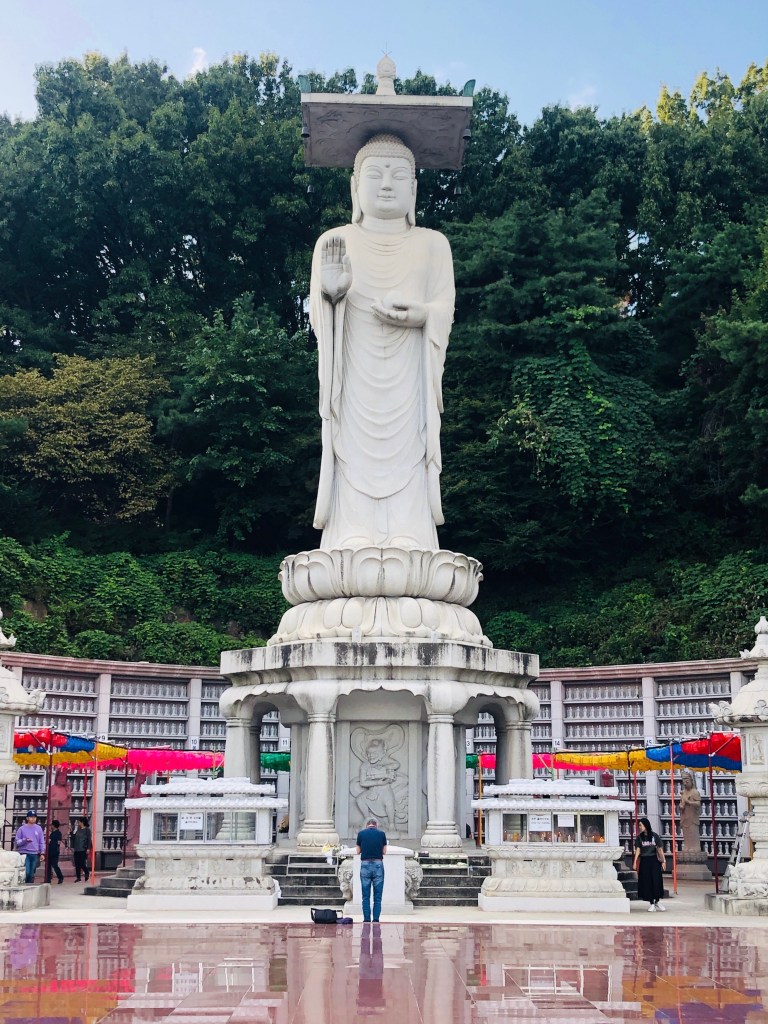
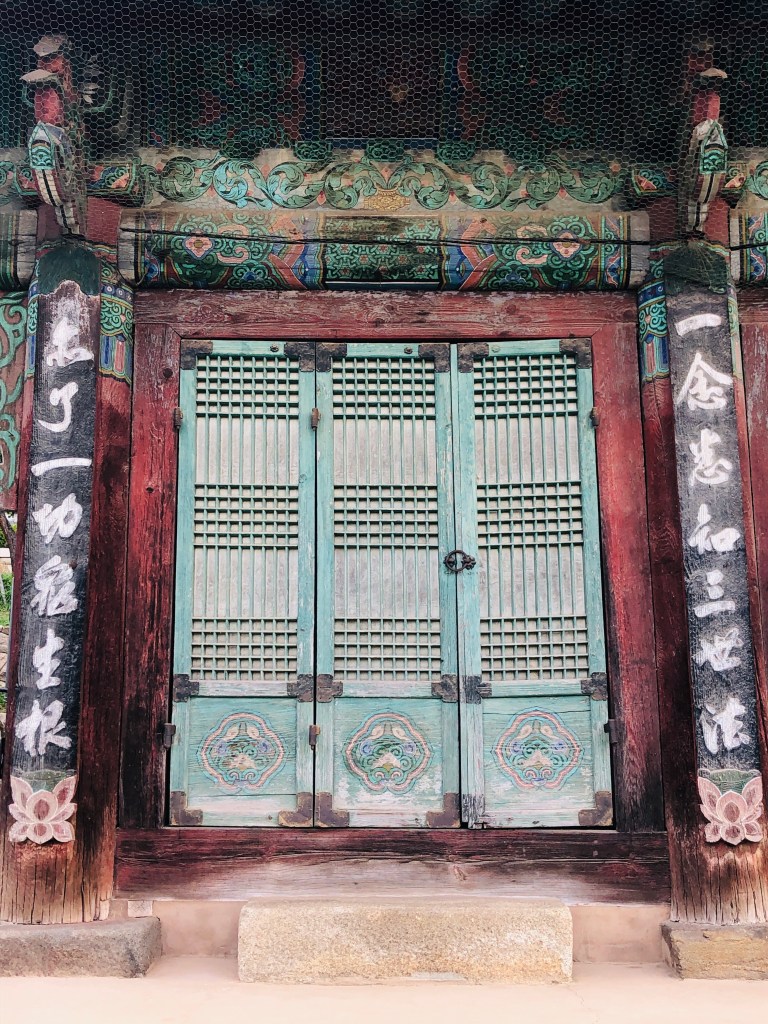
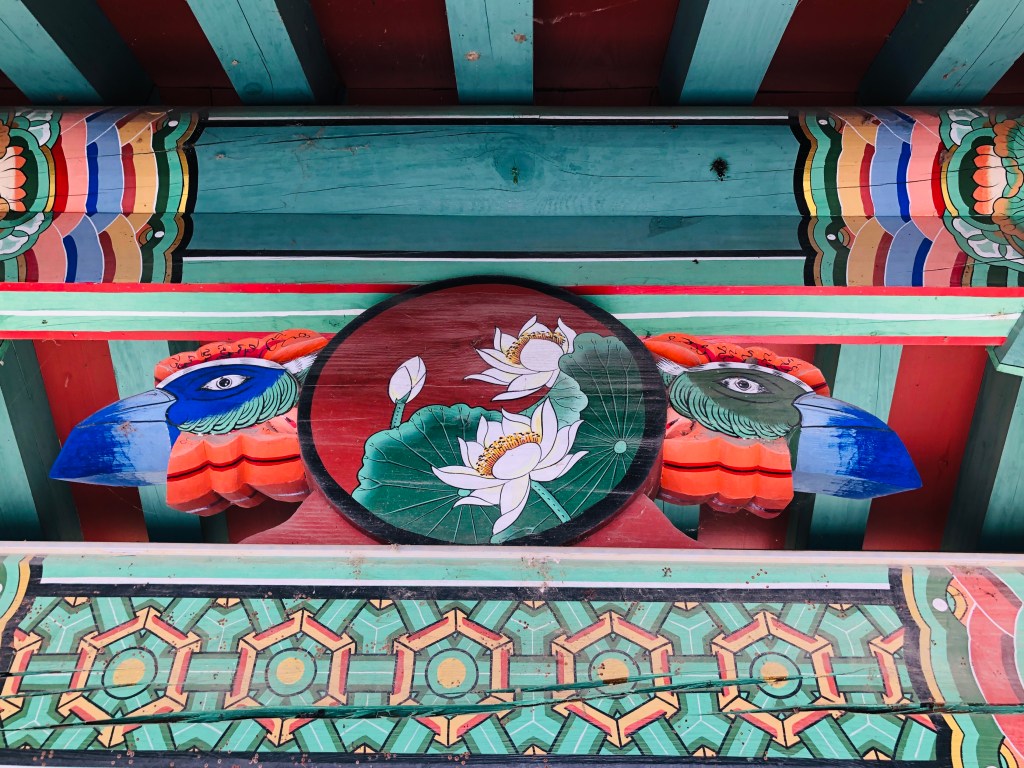
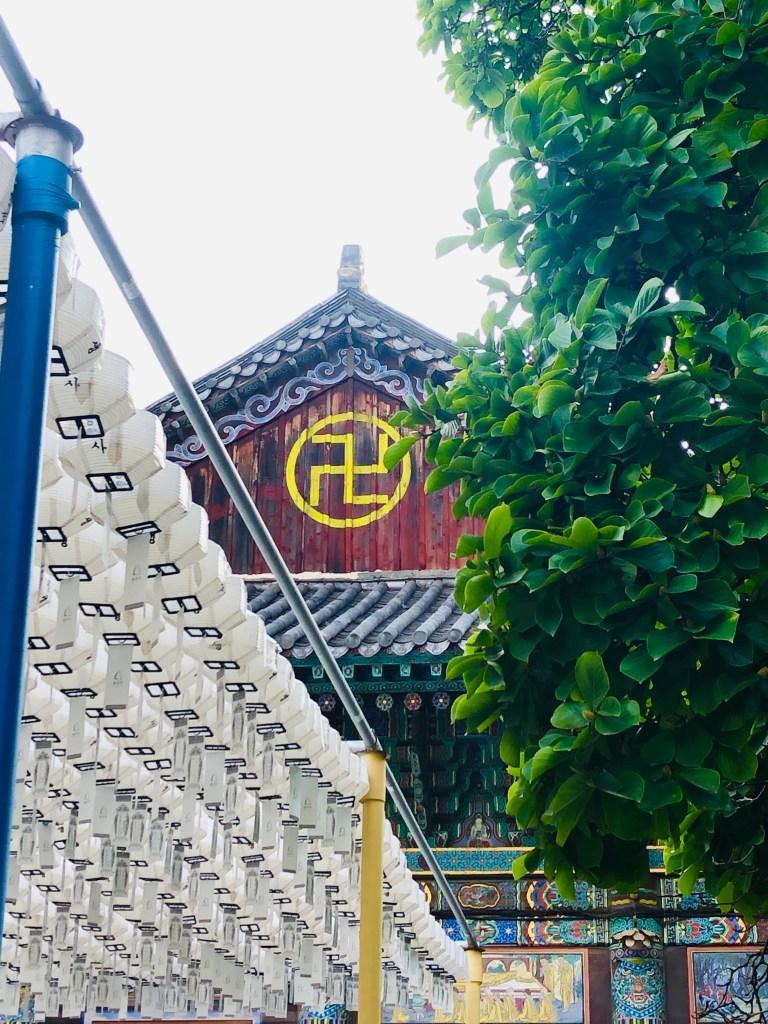
Back in Seoul, we visit the remarkable Bongeunsa Buddhist temple, founded in the year 794 and still going strong. Right in the heart of Gangnam, one of Seoul’s trendiest and busiest commercial districts, and surrounded by office and hotel towers, Bongeunsa is a peaceful oasis of trees and ornate shrines. We spend time sitting in the main hall, under the watchful eye of a large golden Buddha, as followers, both Korean and foreigners, perform prostrations and make offerings.
The next day, we wake early and head to Bukhansan National Park, the only national park within the city limits of Seoul. Amazingly, it is accessible by subway, and when we emerge from the last station we are less than a kilometer from the park gate and trailheads. The trail to Baegundae, the highest of the three monolithic granite peaks in the park, climbs from just above sea level straight up to 836 meters over 4 kilometers. Steep, in other words. And, on this sunny holiday, crowded. And by crowded, I mean a line hundreds of people long waiting patiently to take photos from the summit. But our fellow hikers are friendly and the atmosphere is fun. Along the way, a group of four older men on a group hike and clearly enjoying themselves, ask, speaking Korean but using hand gestures, that we take a photo of them. I obligingly take their camera, square up for the shot and jokingly say, “Say cheese.” They clearly misunderstand me and in unison all shout, “Kimchi!” Which of course cracks me up and makes all of them laugh too. It’s a wonderful moment of (mis)communication.
After the peak, we continue hiking down the back side of the peaks and the less visited area of the park, where we enjoy the sound of the breeze in the trees, the deep green and early fall yellow colors and the rich smells of the forest.
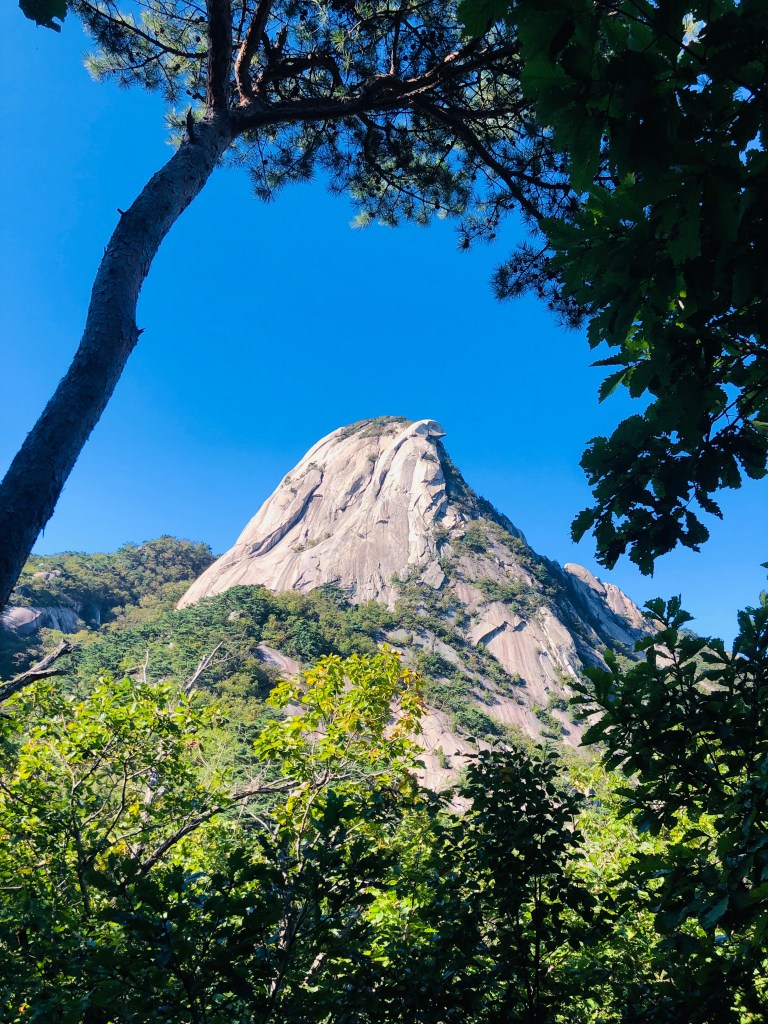
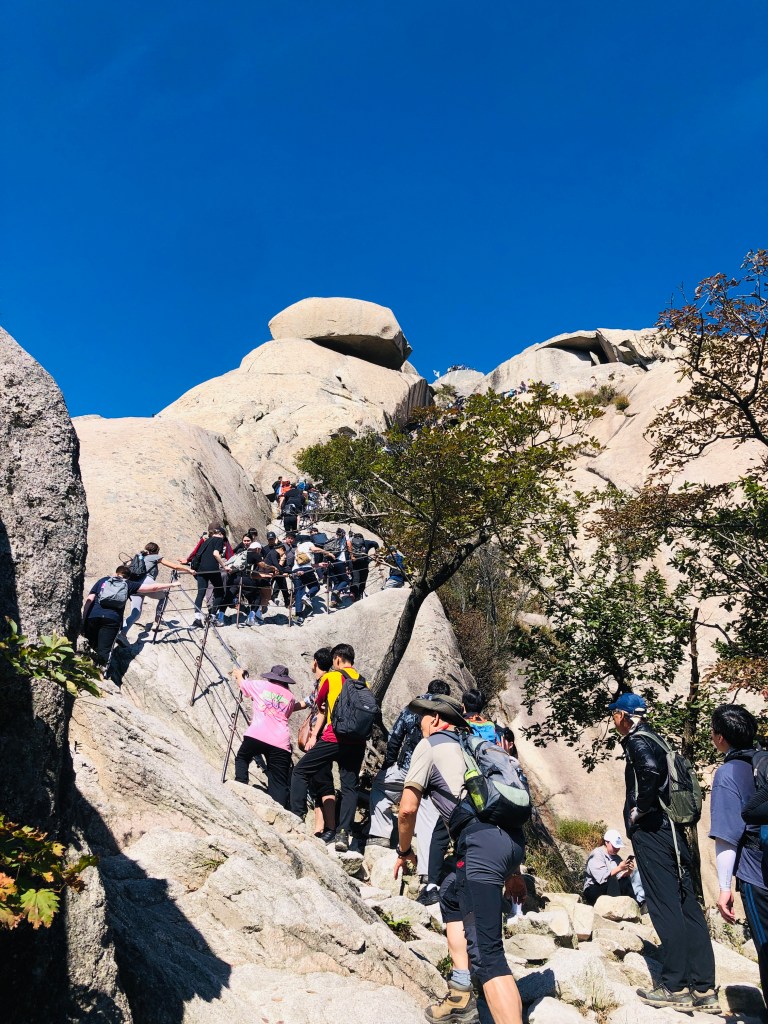
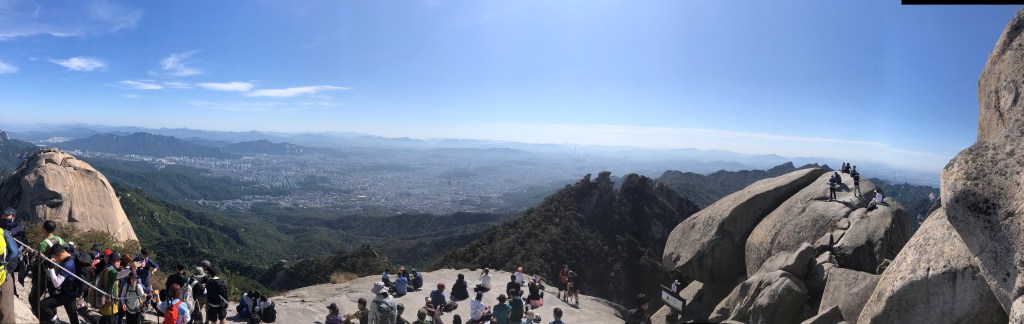
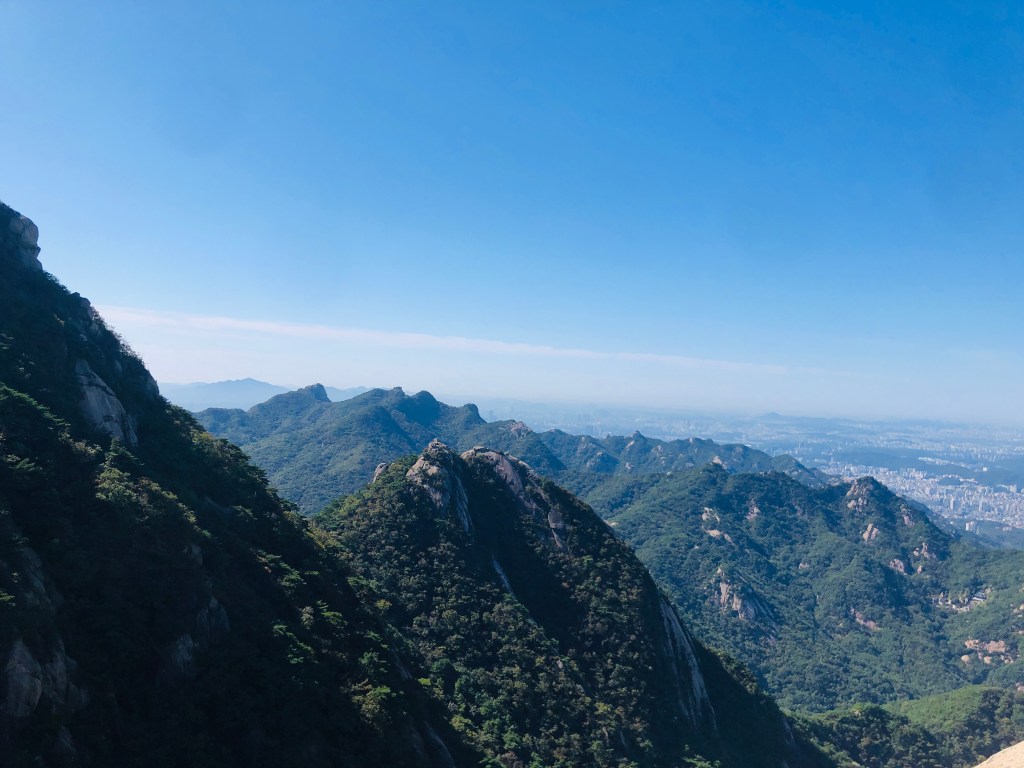
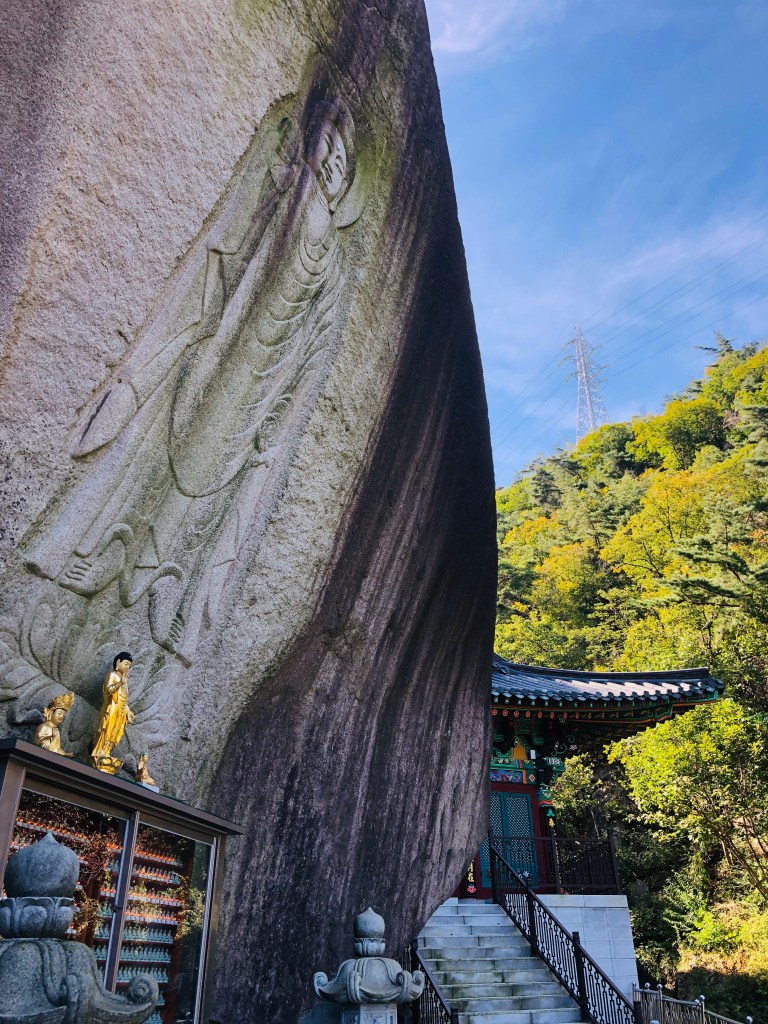
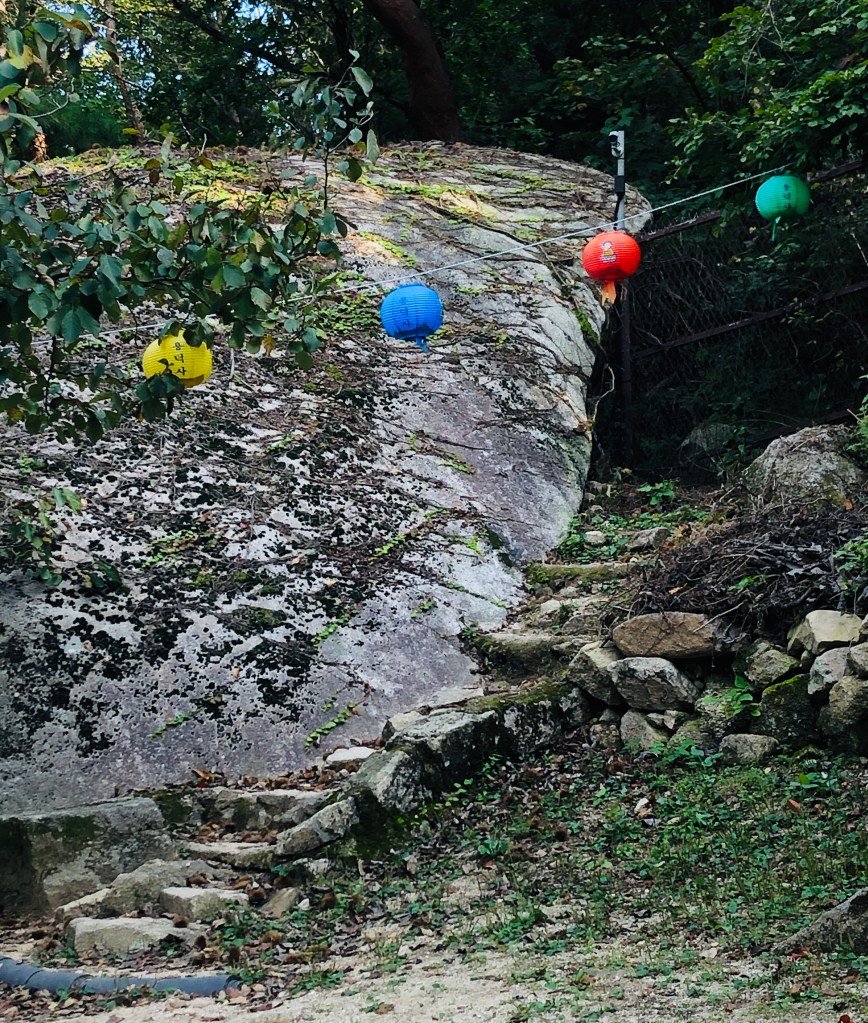
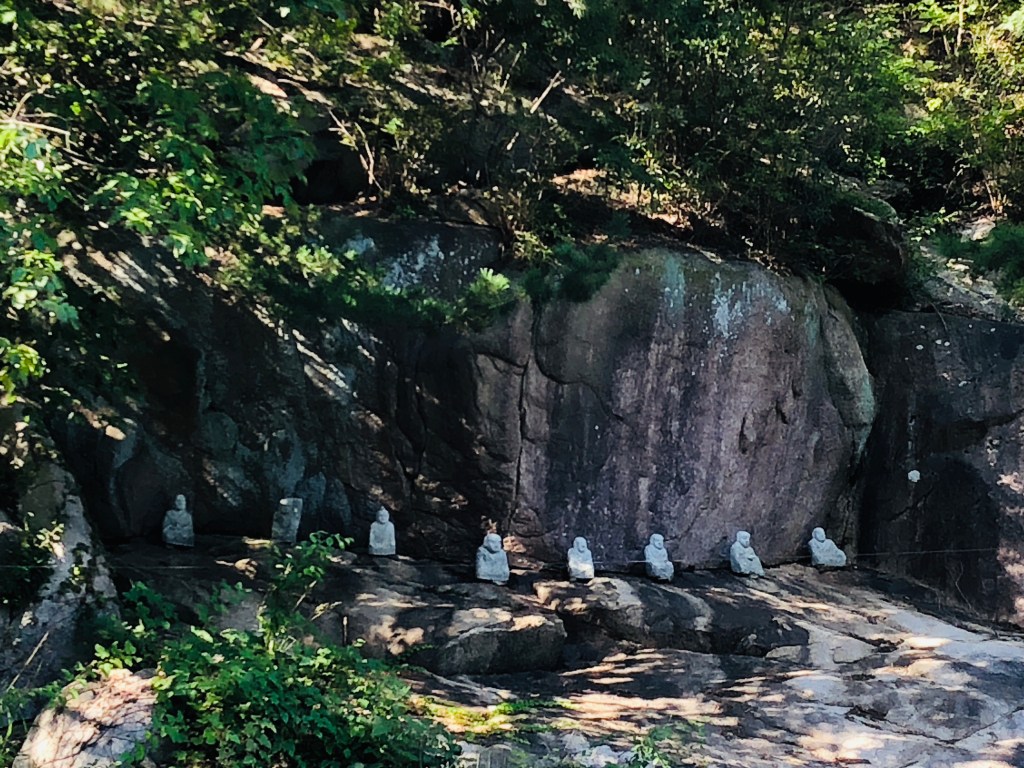
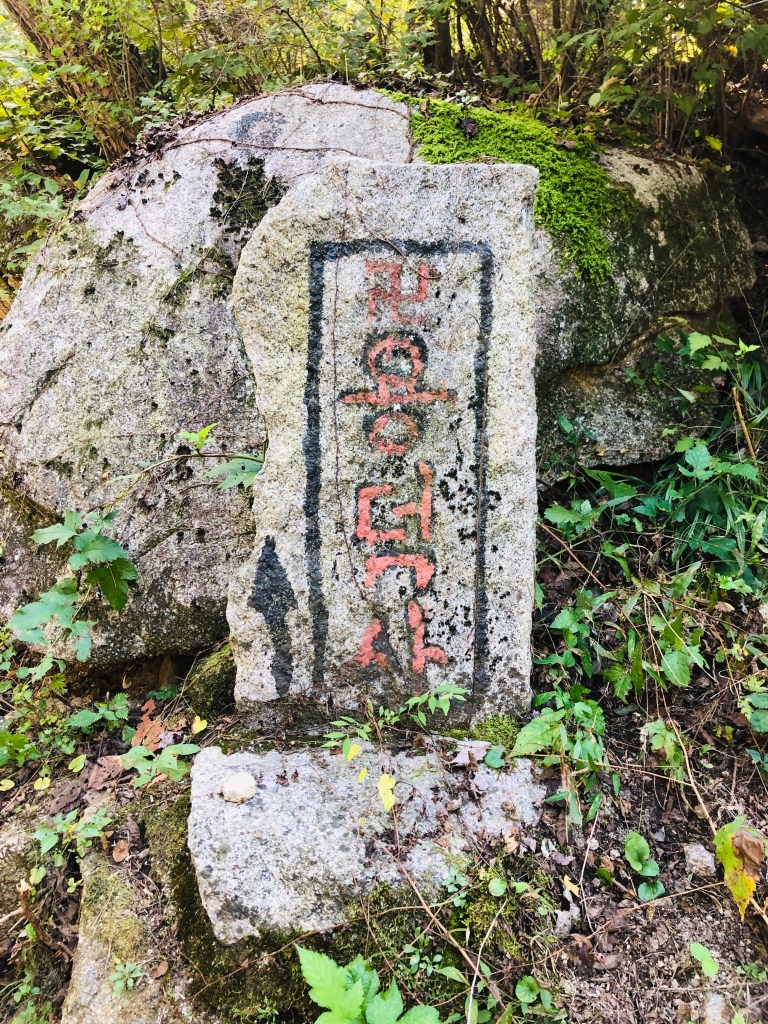
We continue hiking on to Yongdeoksa Temple, nestled in the forest next to the national park. It is much humbler than Bongeunsa, a small Buddhist temple and living quarters for the resident monks surrounded by trees with a beautiful carving of the Buddha on a massive slab of granite and an adjacent shrine and meditation cave. We are the only people there and the quiet, as we sit and watch the trees, is magical after the earlier crowds.

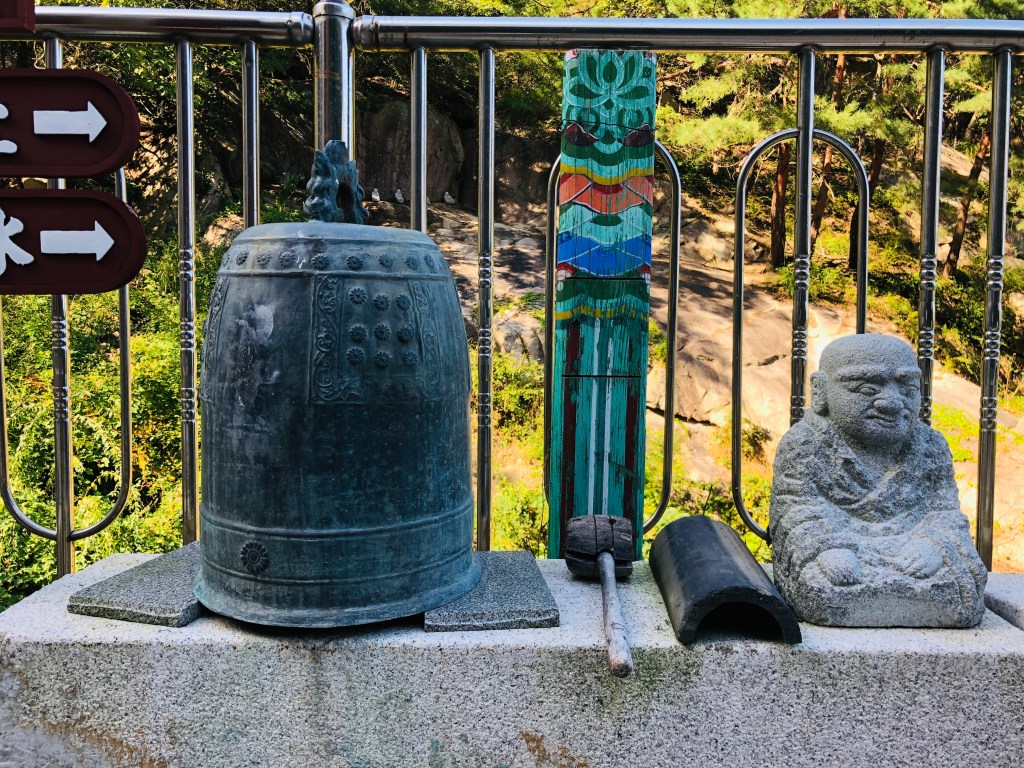
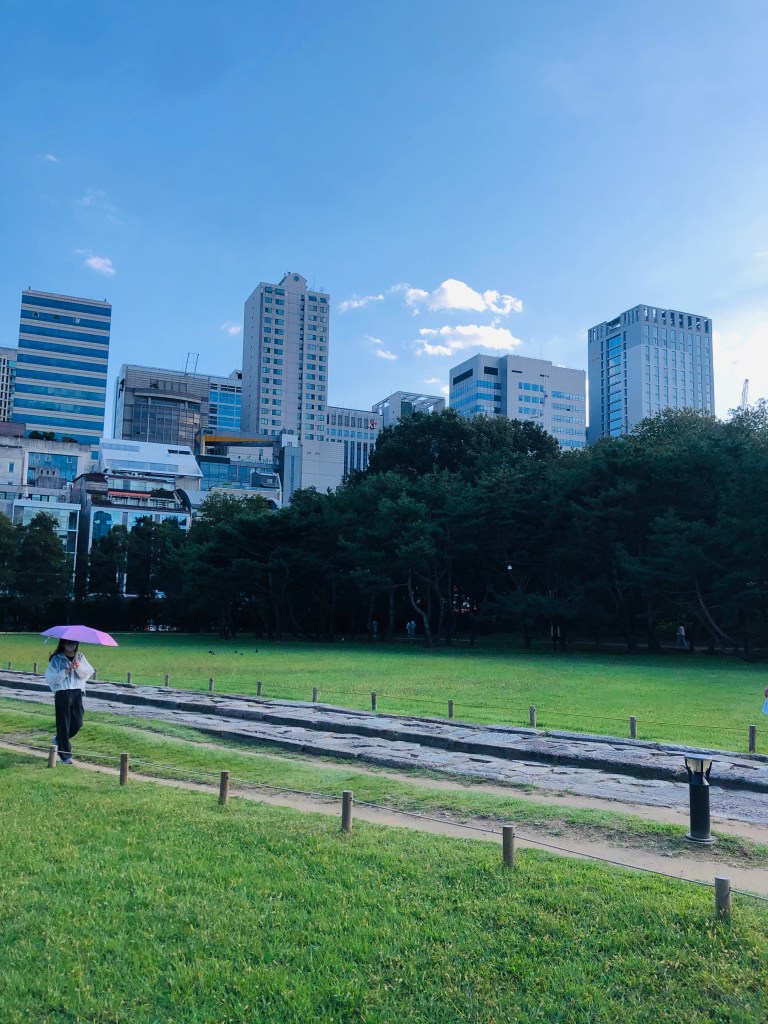
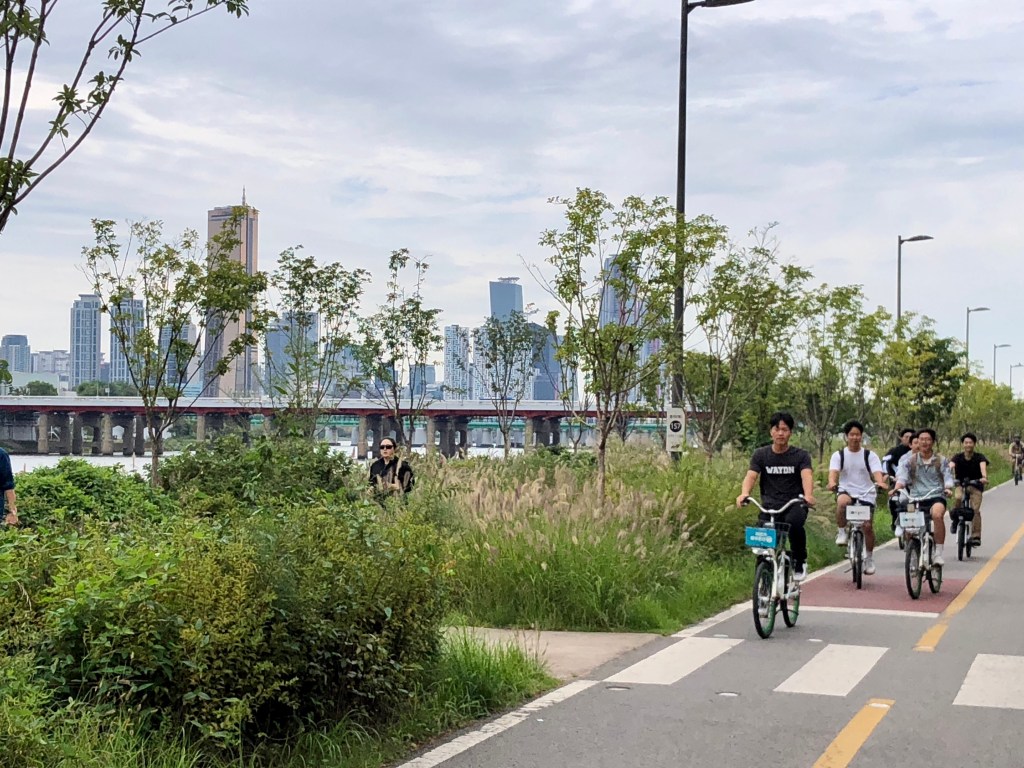
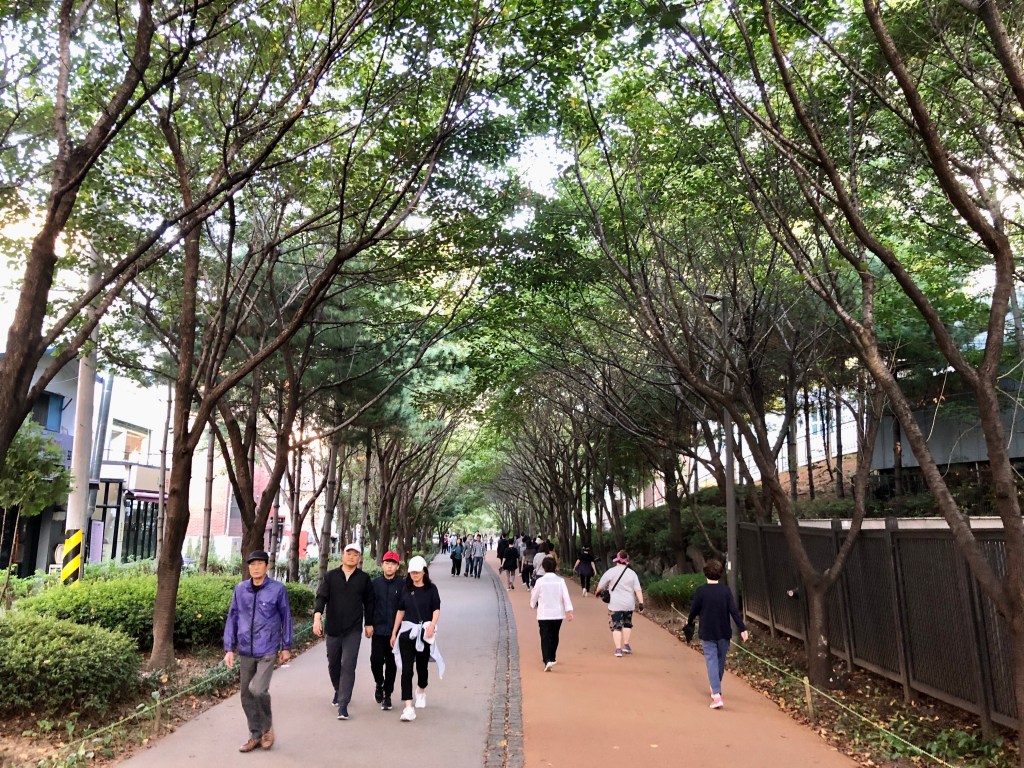
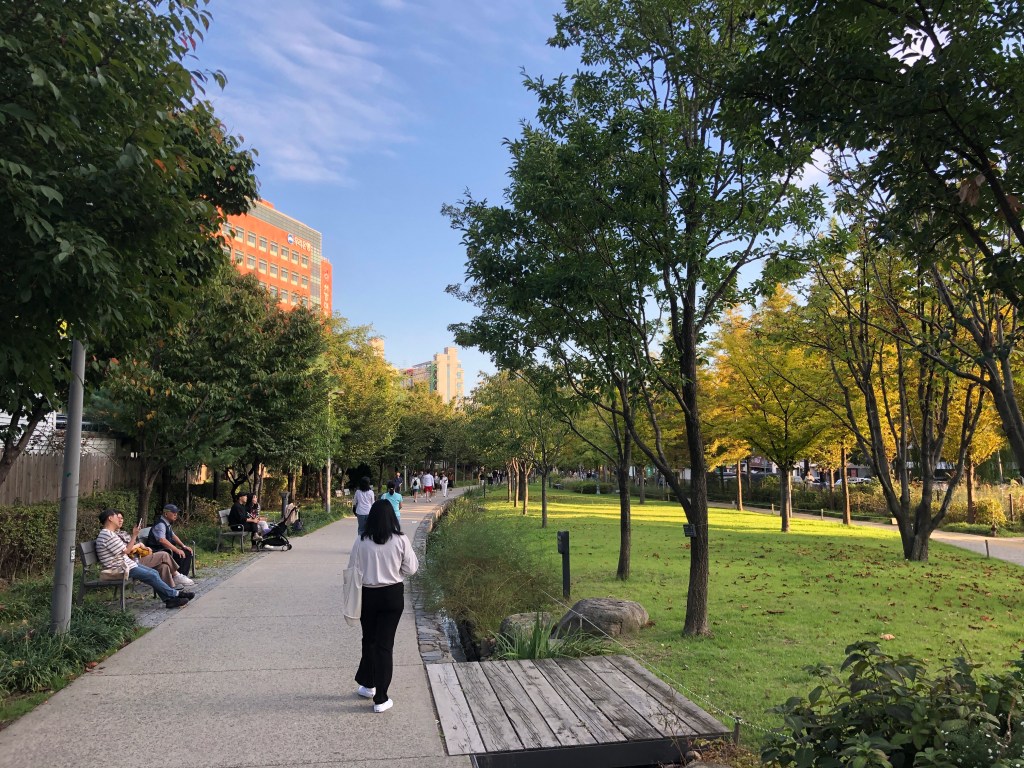
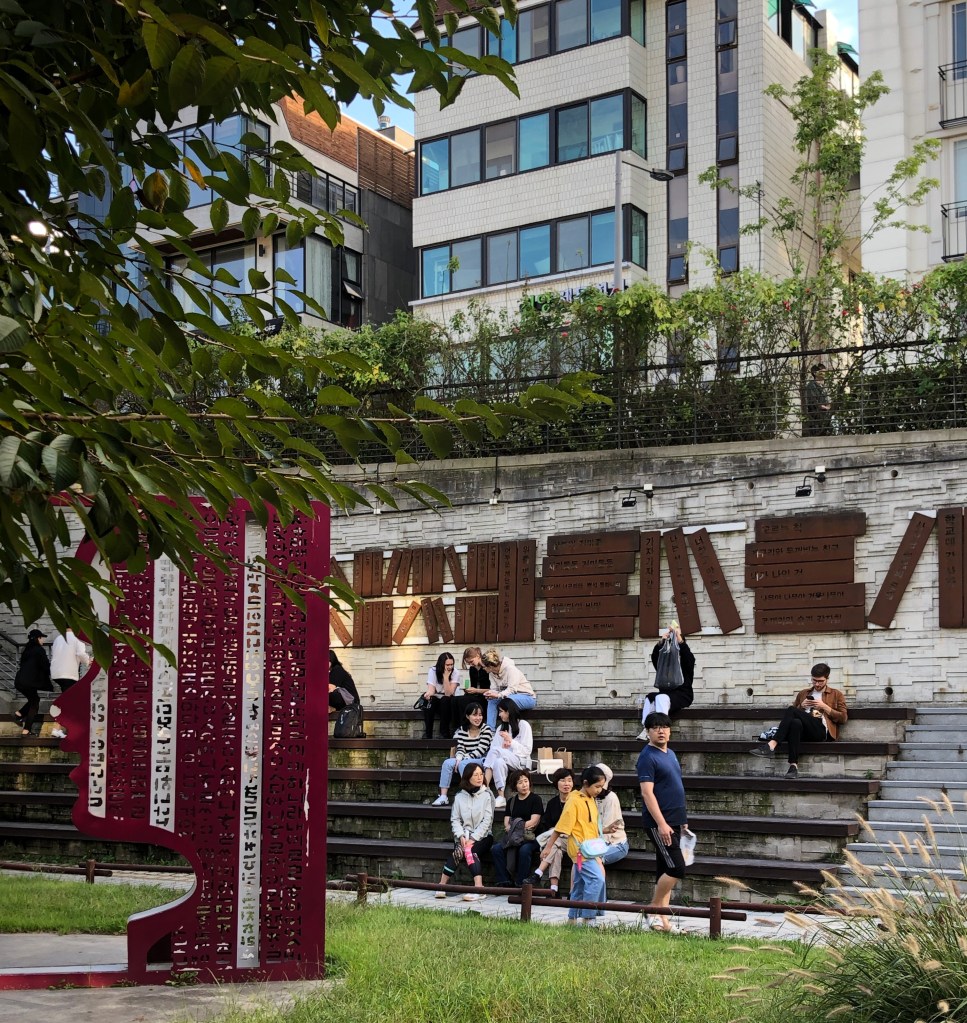
Our remaining time in Seoul is spent exploring different neighborhoods and we are struck by the massive scale and 24/7 vibrancy coupled with the clean and safe livability of the city. Sidewalks are packed with people, retail shops blare music and rise three and four floors levels above ground, massive advertising screens bathe the streets in bright lights and images of Korean celebrities. And counterbalancing the almost frenetic urban energy are an extensive and easy to navigate public transit system, well maintained parks, tree lined walking streets, wide sidewalks and bike lanes, play areas for kids and exercise stations for adults, benches placed thoughtfully amid flowers for people to sit and rest, clean working drinking fountains and bathrooms everywhere.
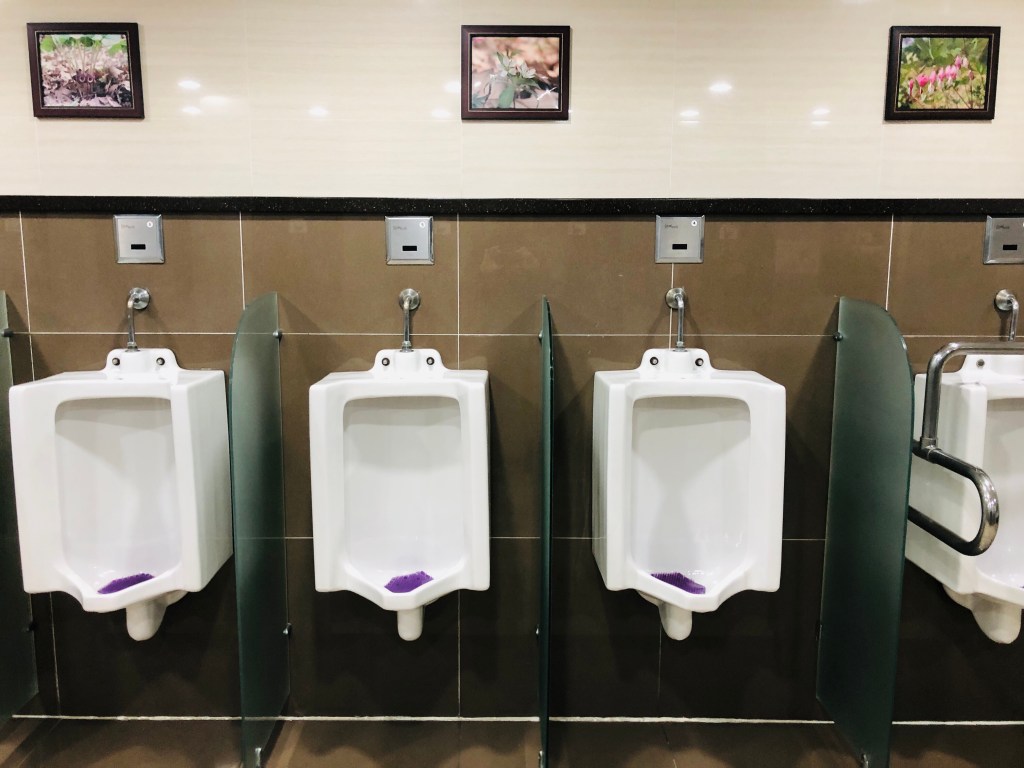
A small but poignant example: the bathrooms in the subway stations are not only immaculate, many have framed photos of flowers.
From our outsider’s perspective, Seoul feels like an incredibly successful mega city and a real model.
As we pack up our bikes and head to the airport, we are a little sad to be leaving with so much of this interesting and wonderful country still to see. We cycled it from north to south, explored the two biggest cities and beautiful small towns, river valleys and national parks along the way, yet feel like we just scratched the surface. We aren’t even tired of kimchi yet. So we simply say thank you to this country for the wonderful experience and hope to be back someday.
 smallchainringbigworld
Thank you for this magnificent ride along with you! Certainly makes Niagara-on-the-Lake pale…..🤣
LikeLike
You two are just the coolest. Your traveler’s eye and adventurousness. Only wish there were more pix of Gabe in the inversion thingie which I *know* he tried.
LikeLike