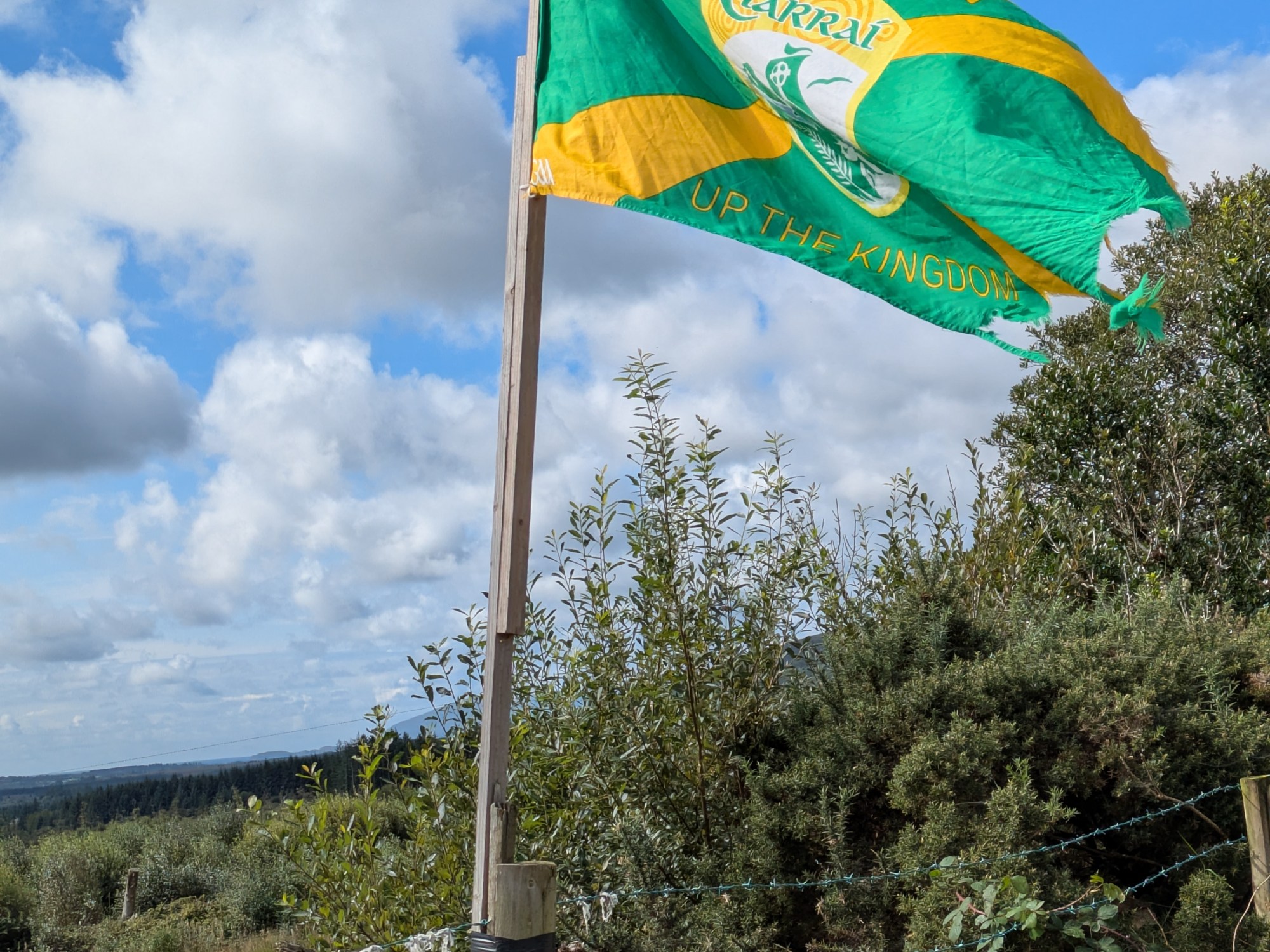
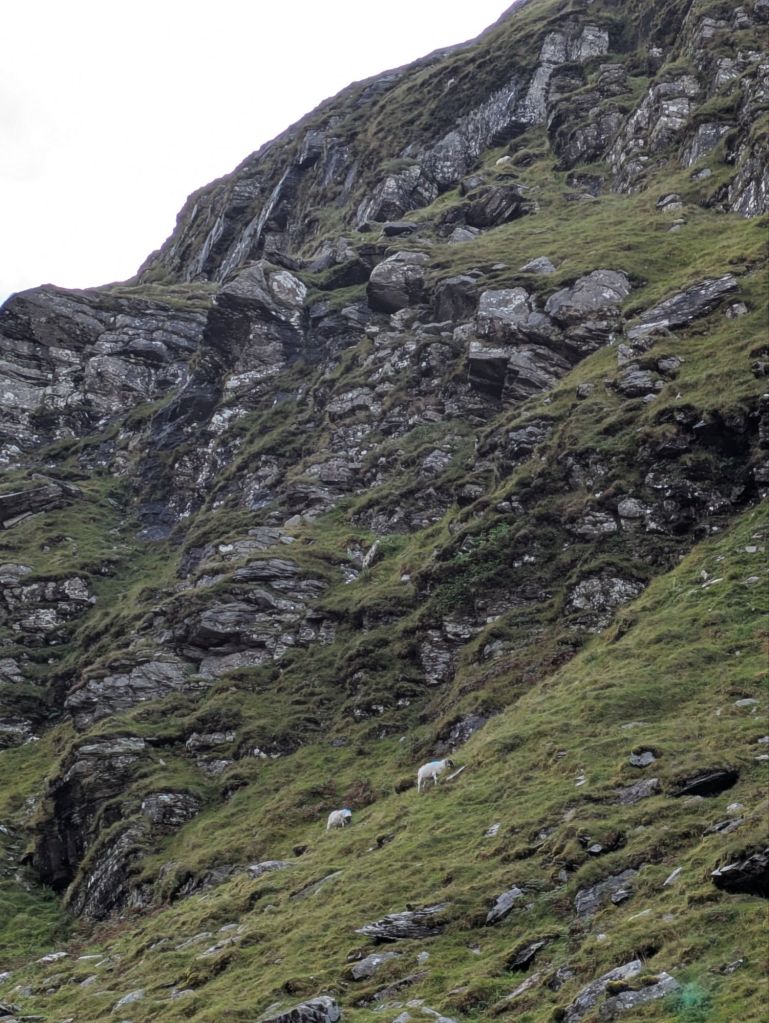
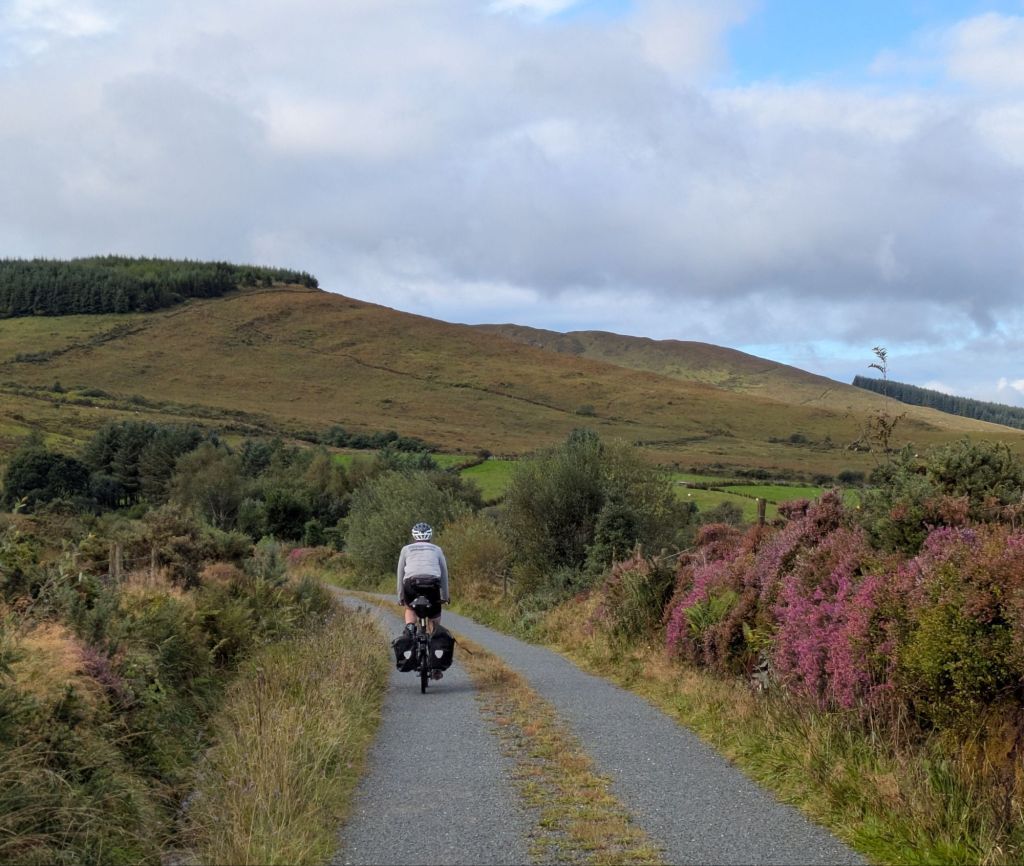
Today’s ride takes us through the craggy peaks of Ireland’s tallest* mountain range, the MacGillycuddy’s Reeks, and through the verdant bogs, wild oak and ash forests of the Glencar Conservation Area. It’s another spectacular day of riding, the roads narrow and quiet, the weather mostly clear and the natural beauty of each bend in the road surpassed by the next.
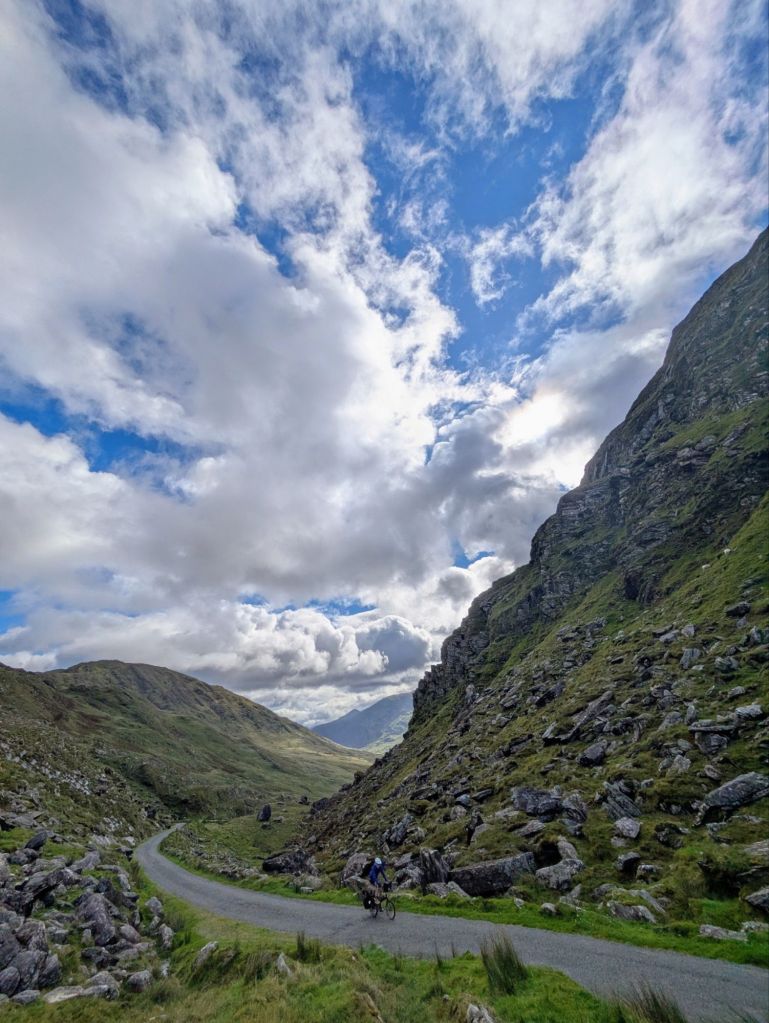
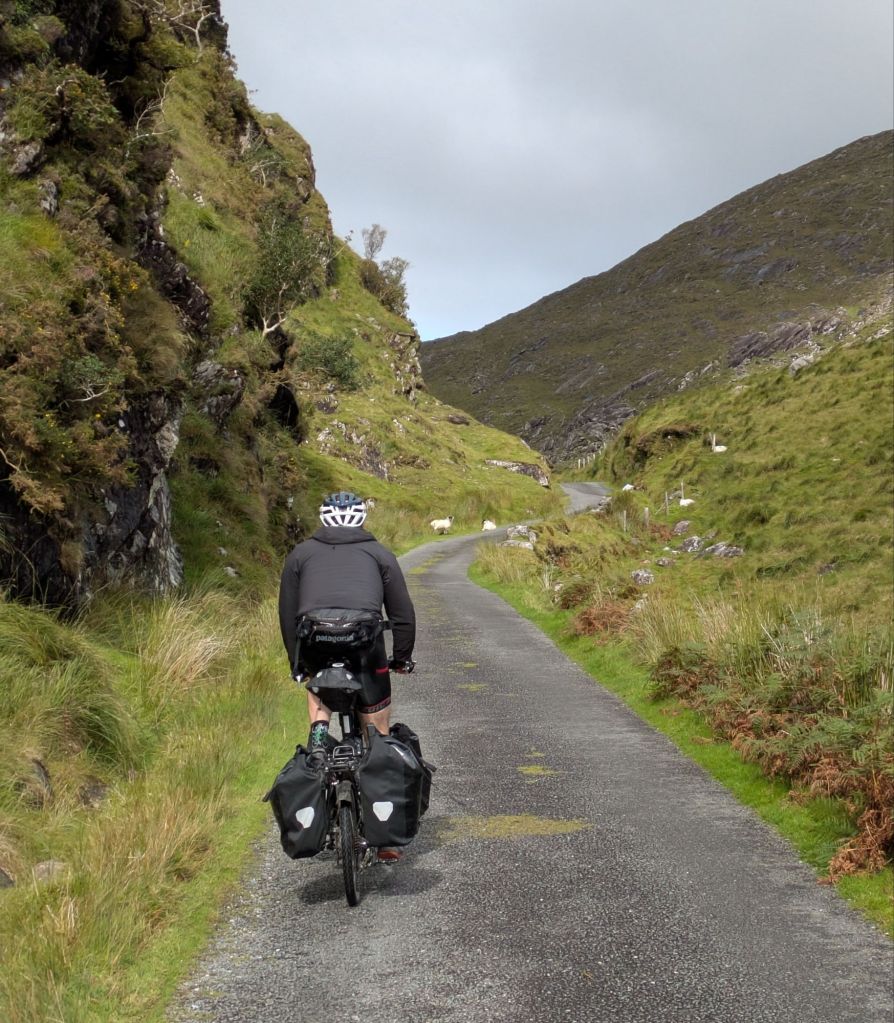
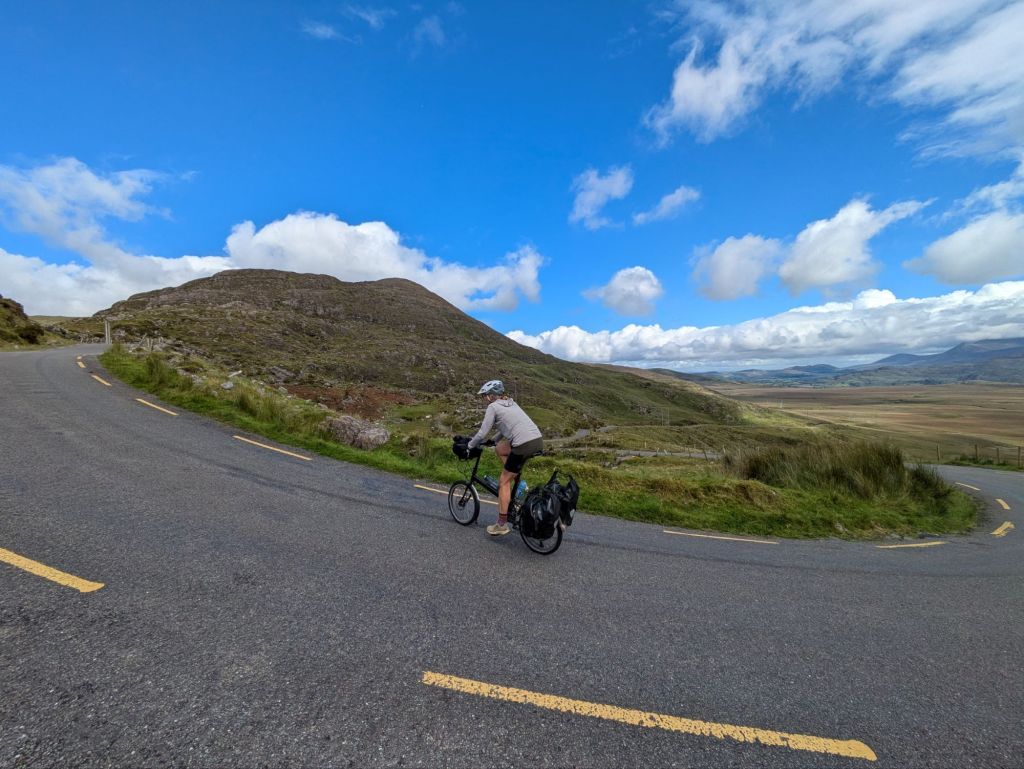
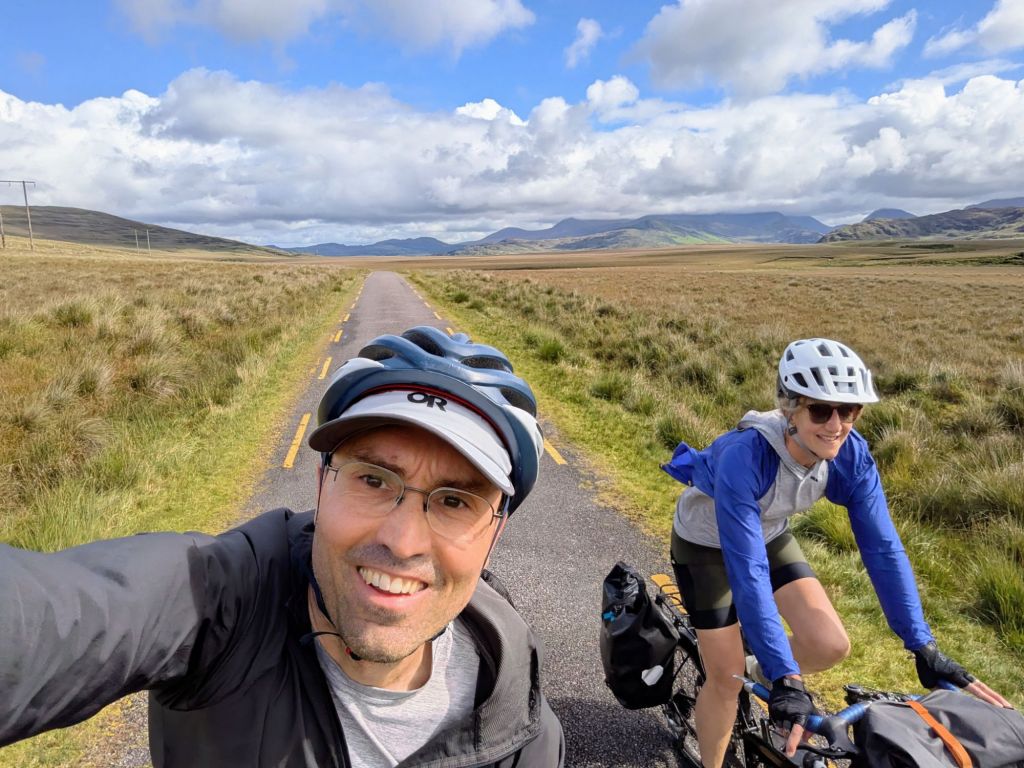
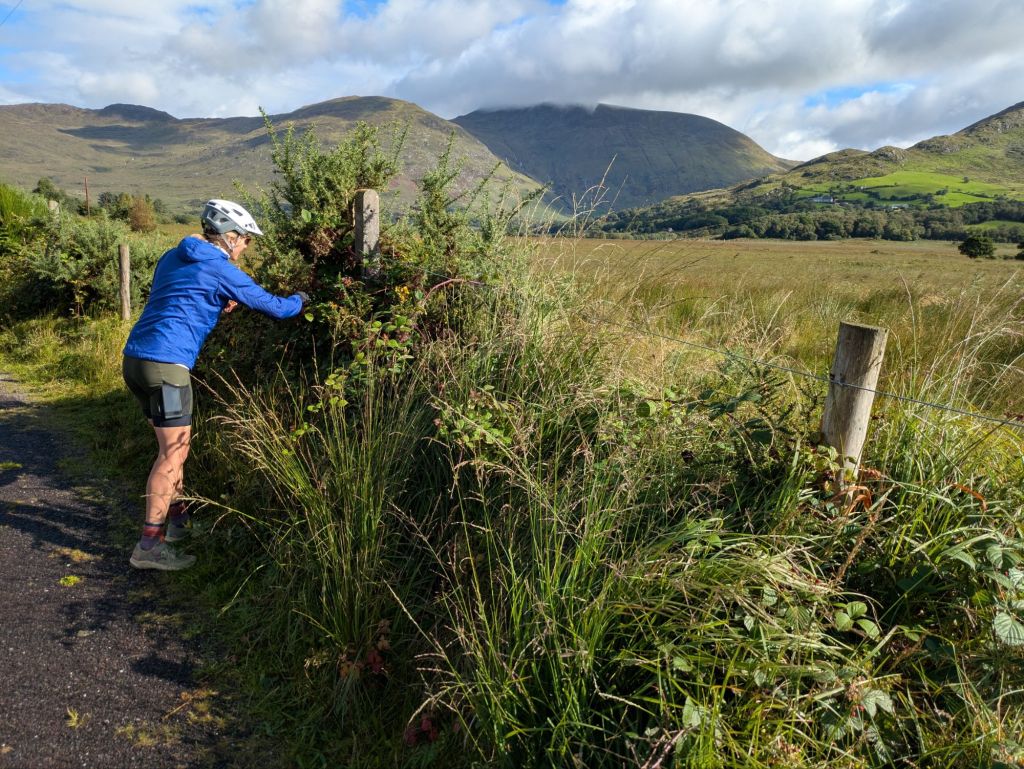
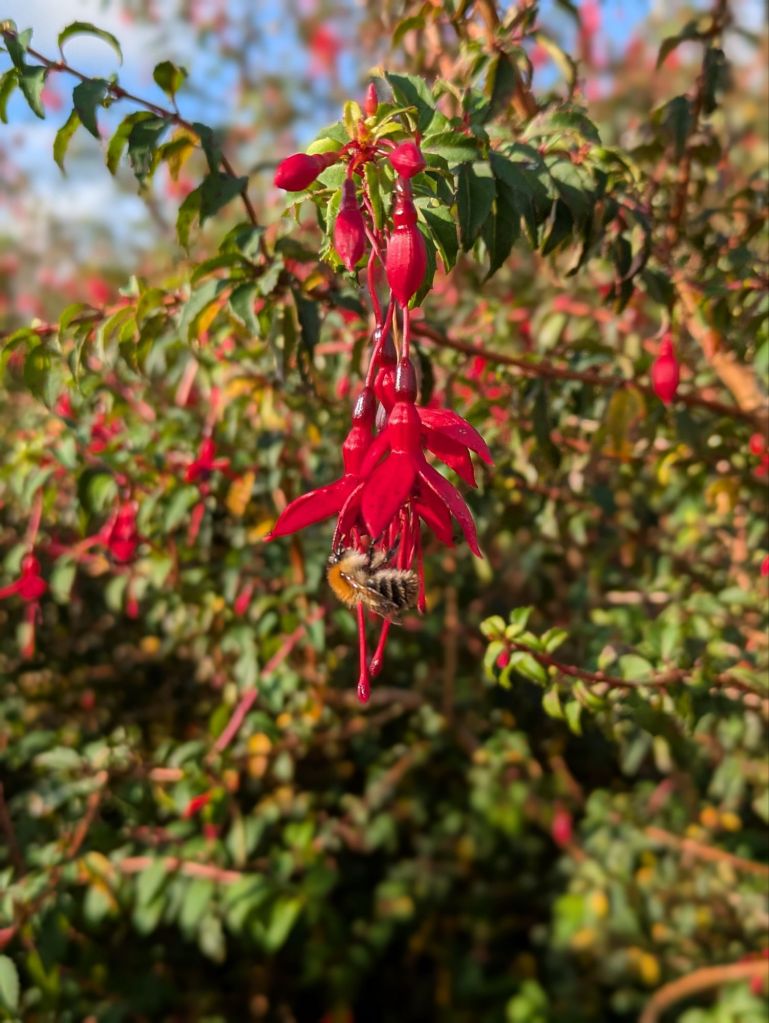
We take our time and enjoy the journey, stopping periodically to eat blackberries. As we get closer to town, we share hellos with people walking and enjoy the outrageous fuschia hedges that line the road, humming with the sound of bees.
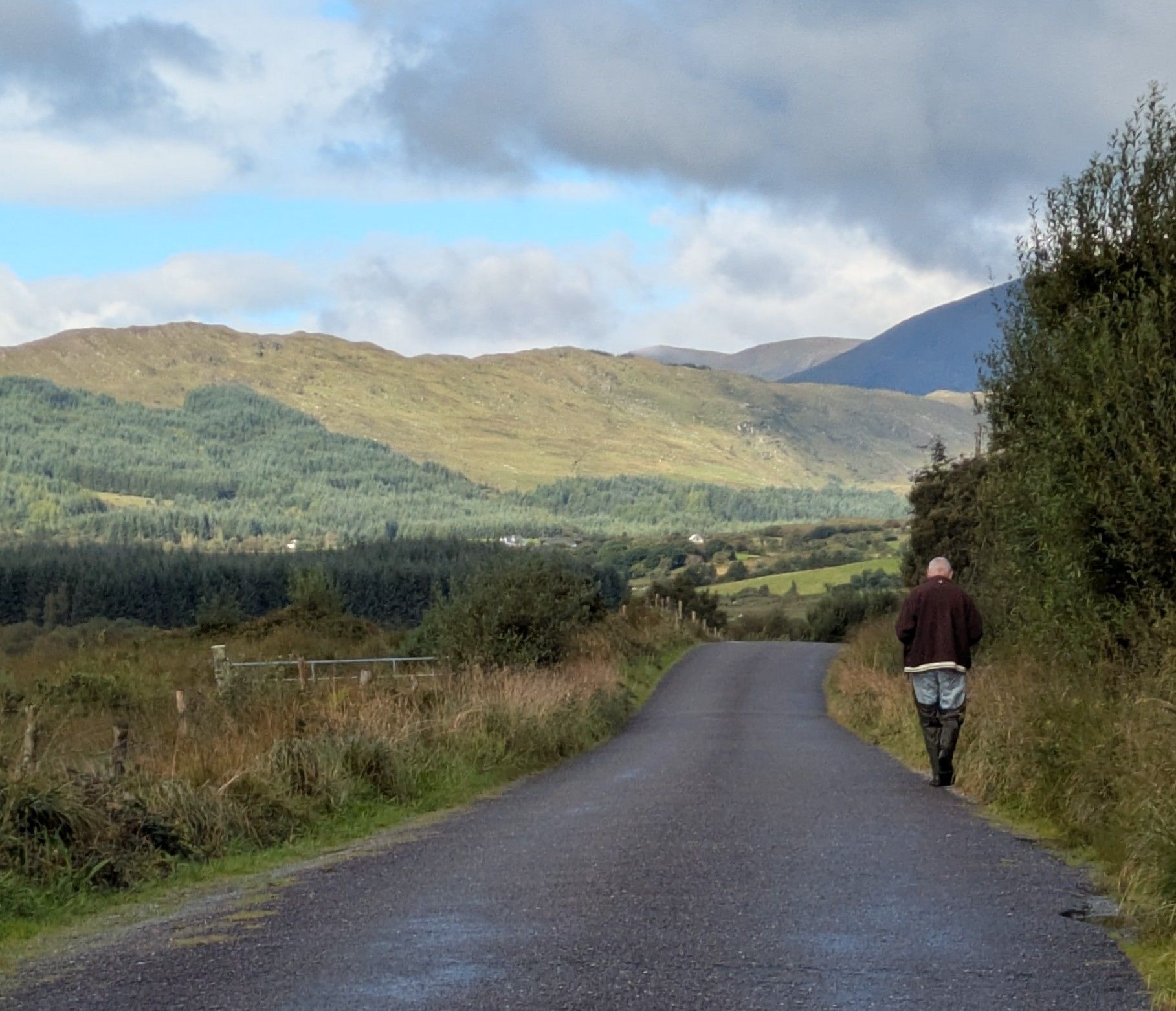
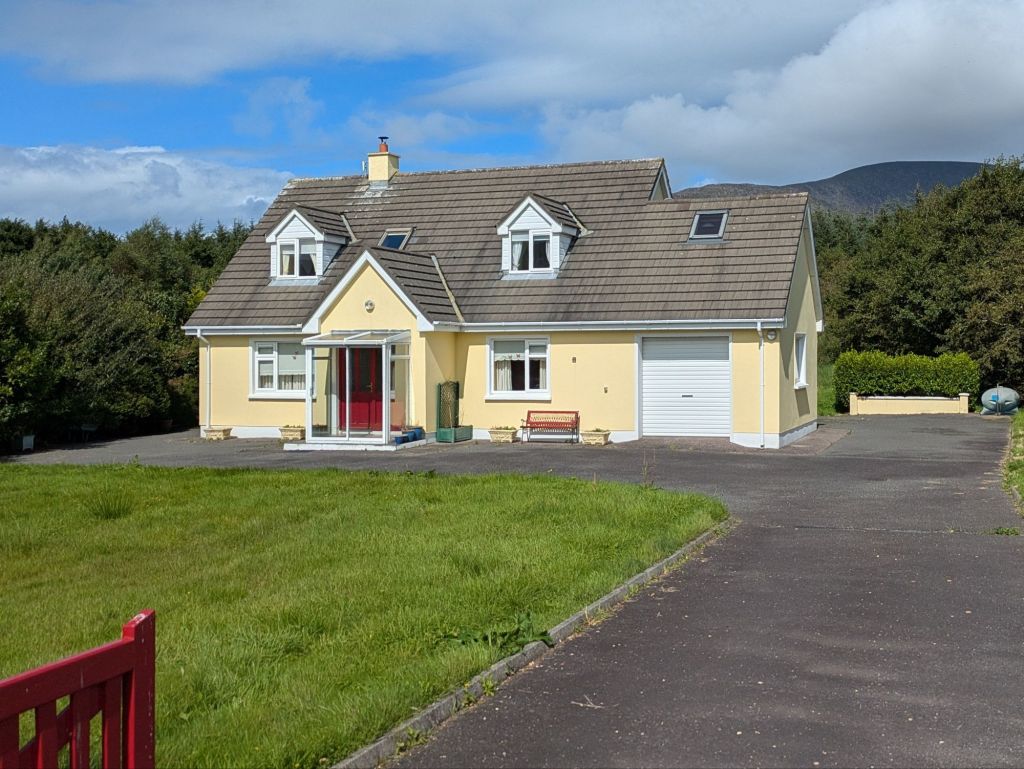
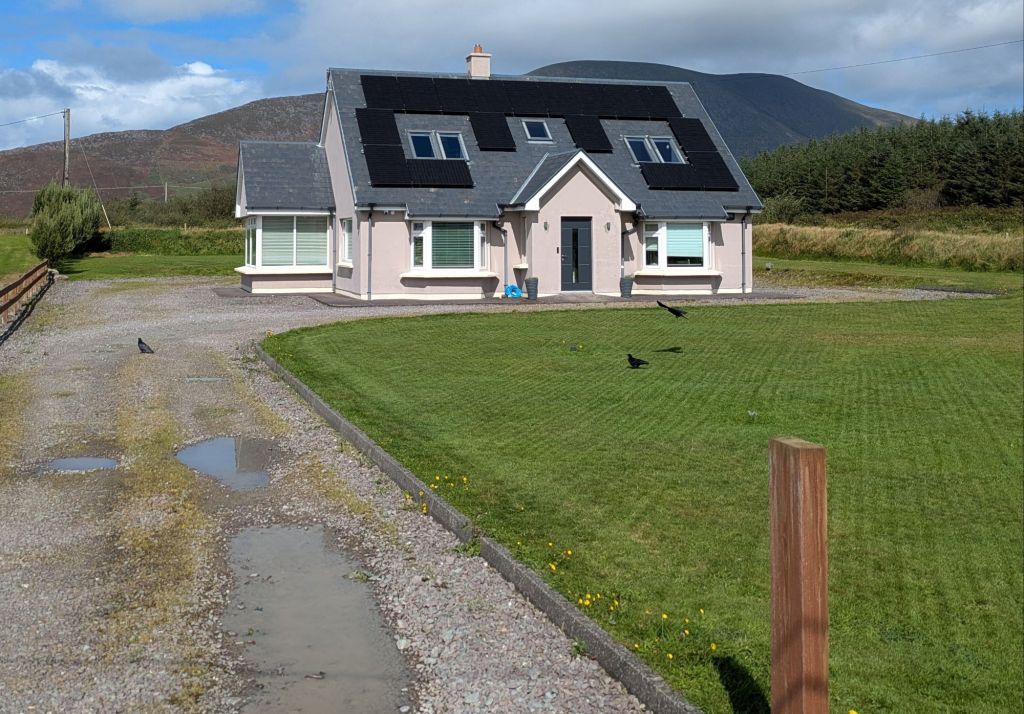
Entering Cahersiveen, I am struck by the houses, which seem to be encircled by driveways. It doesn’t seem like people have huge numbers of cars, so it’s not a need for abundant parking. Is it because of the constant rain and a desire to pull up right to the front door? If so, why not a garage? Do they drive in laps around the house? These are the sort of pressing questions we debate on the bike.
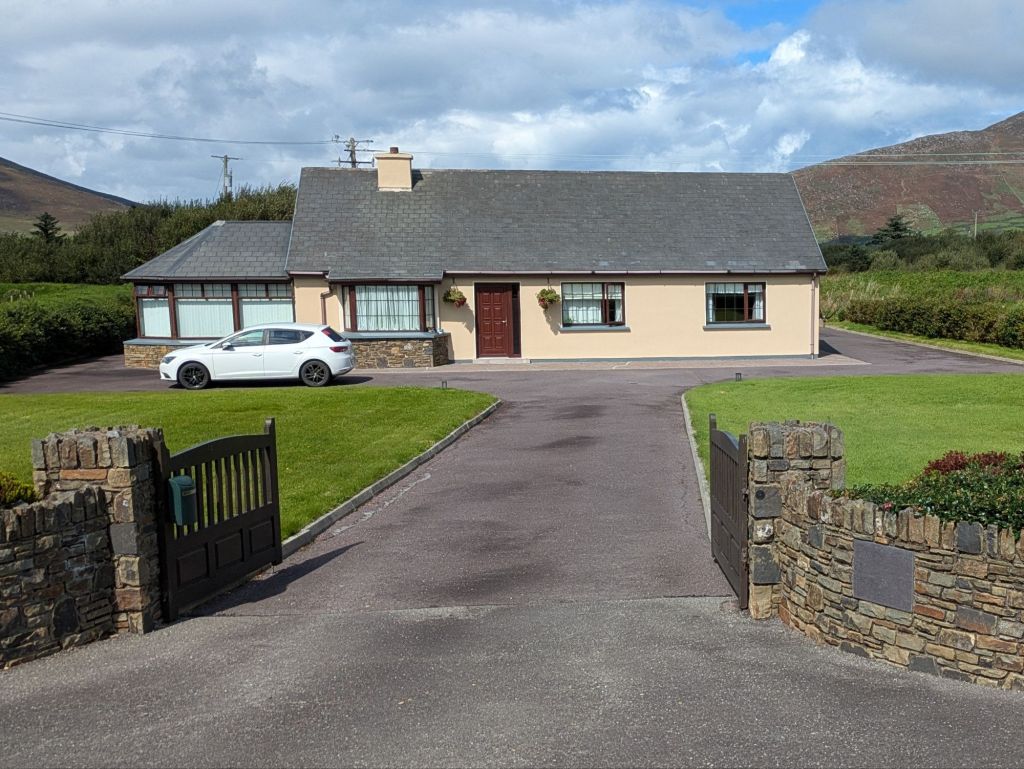
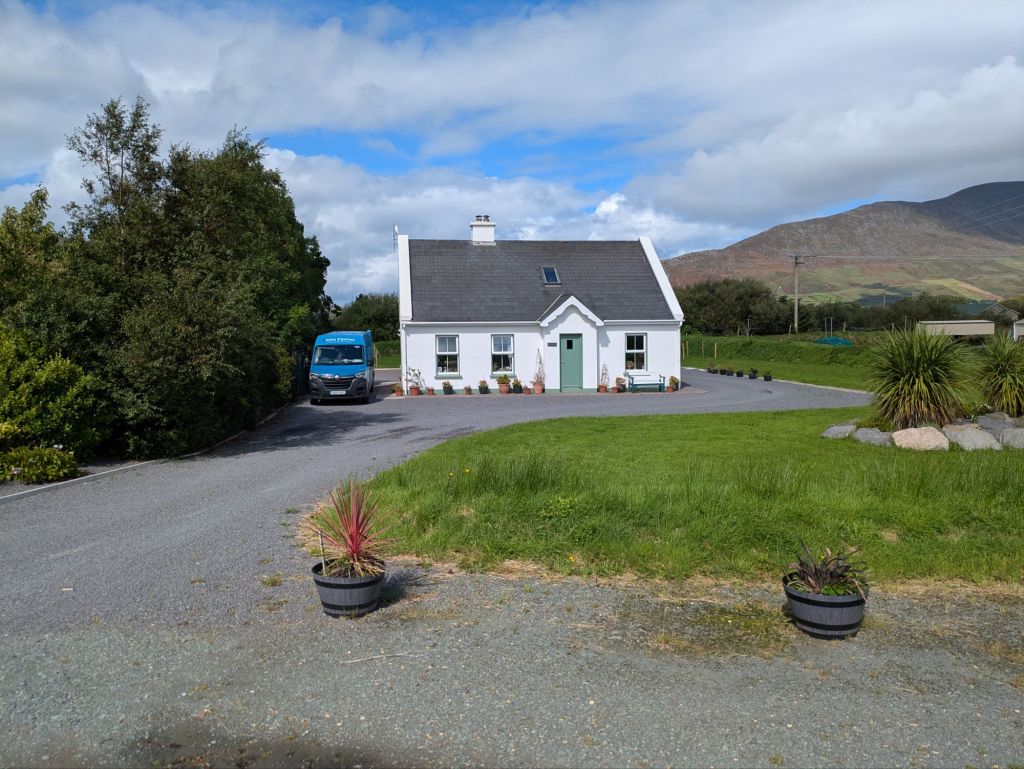
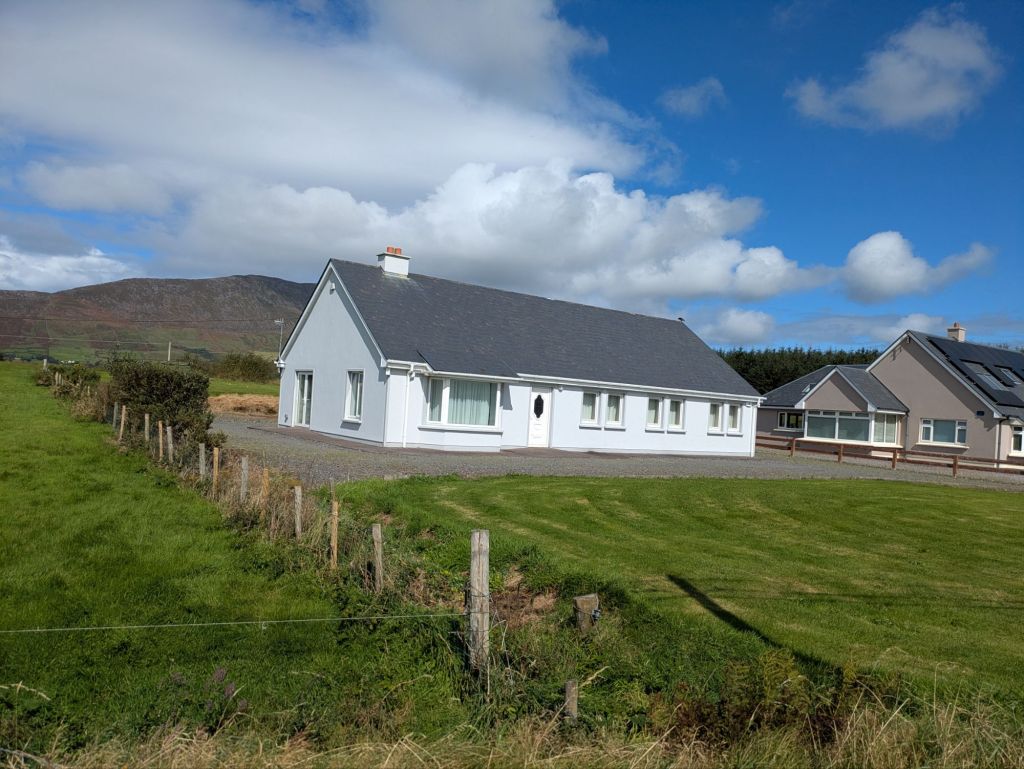
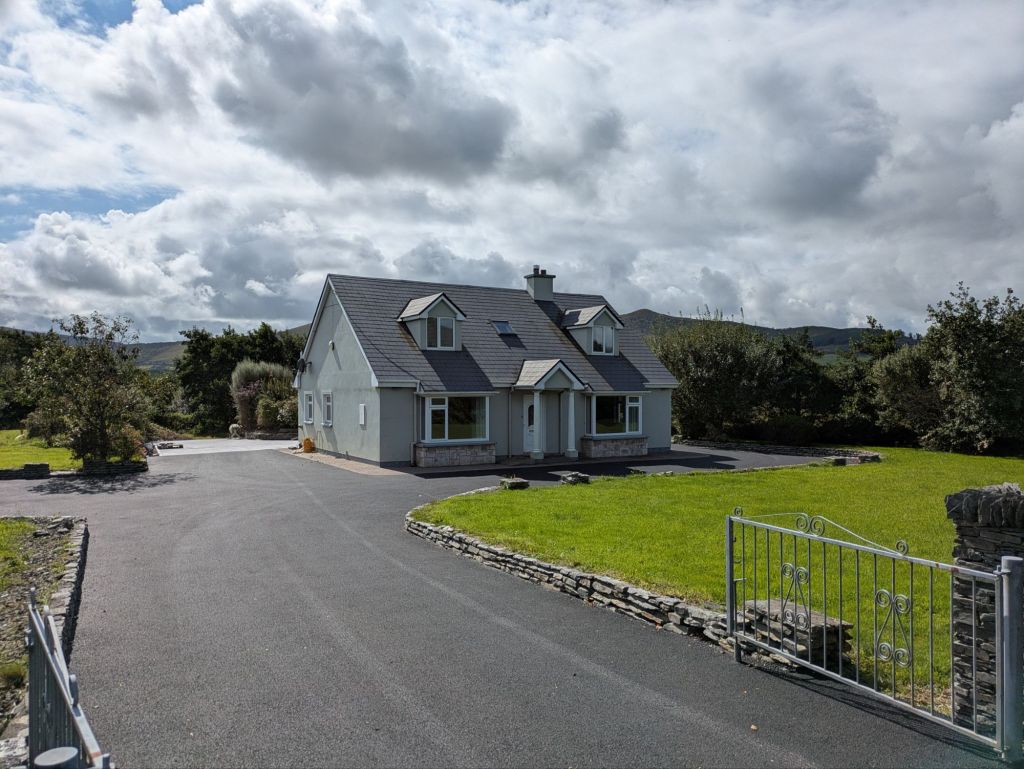
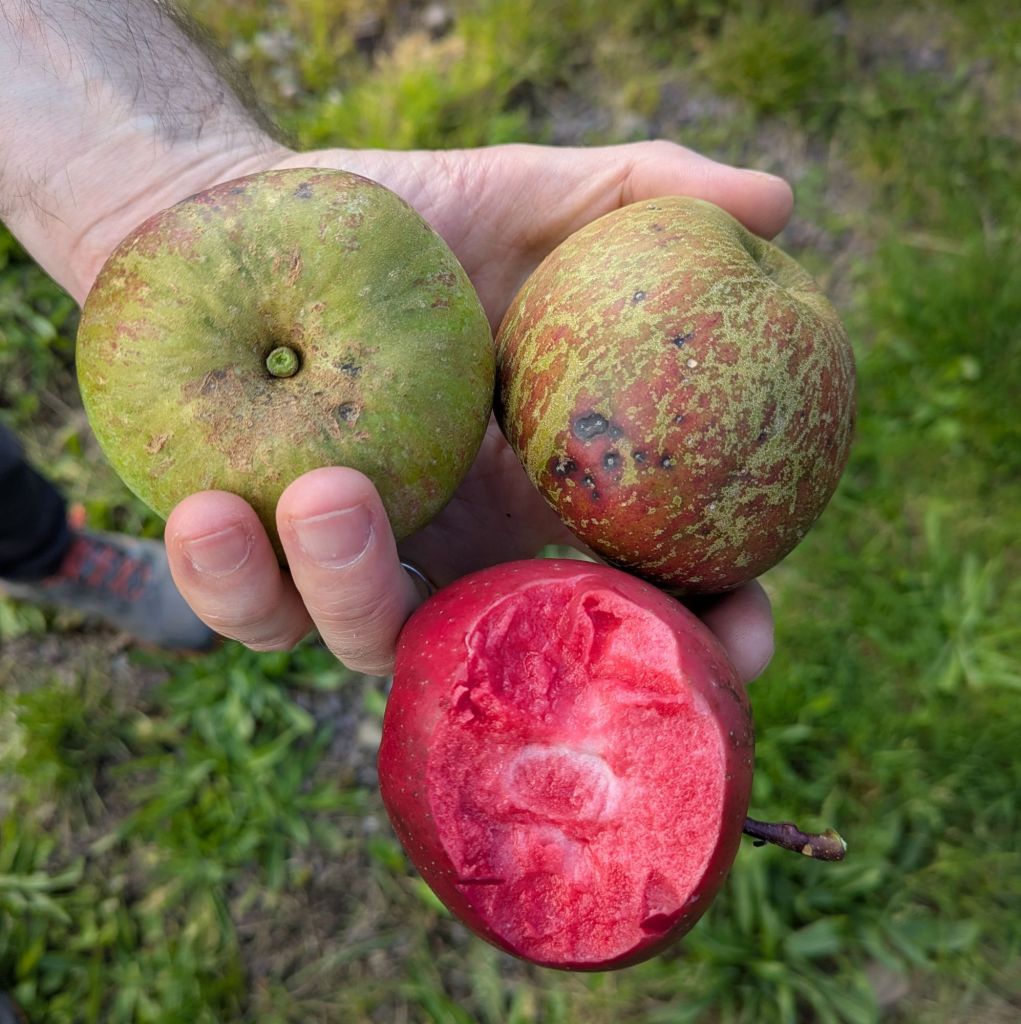
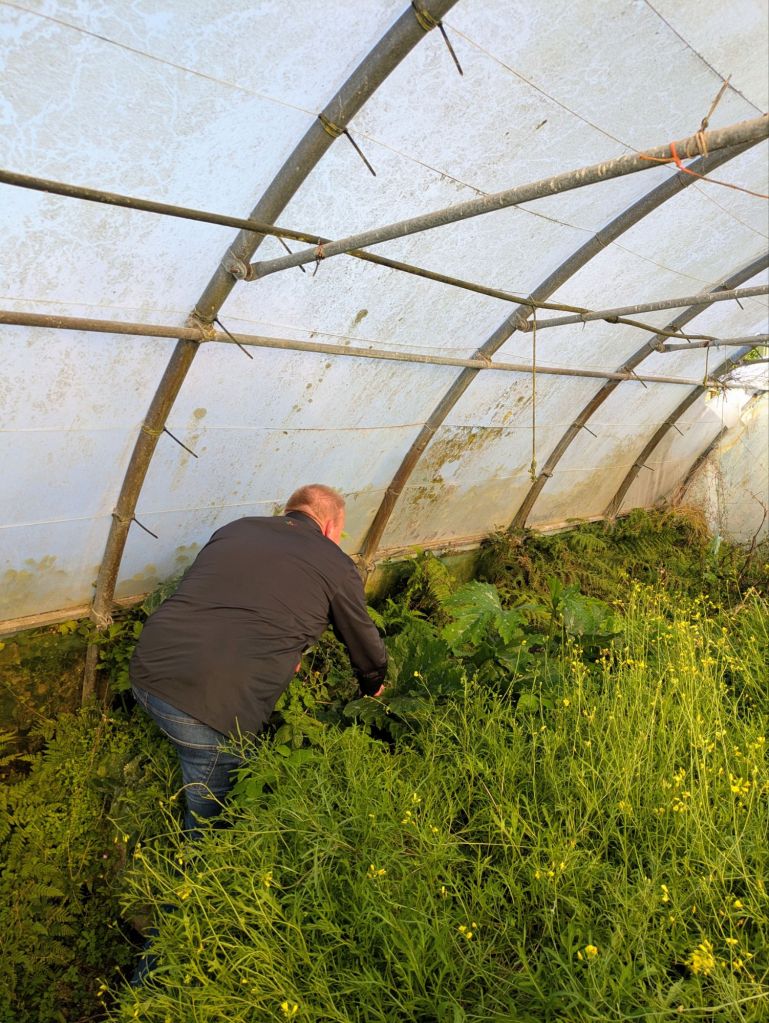
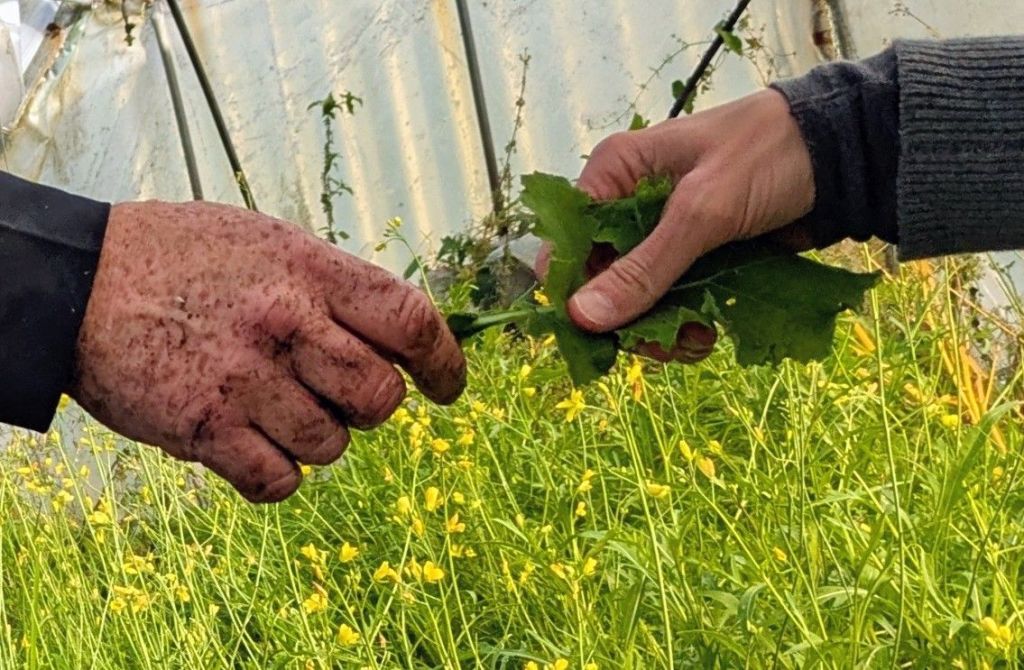
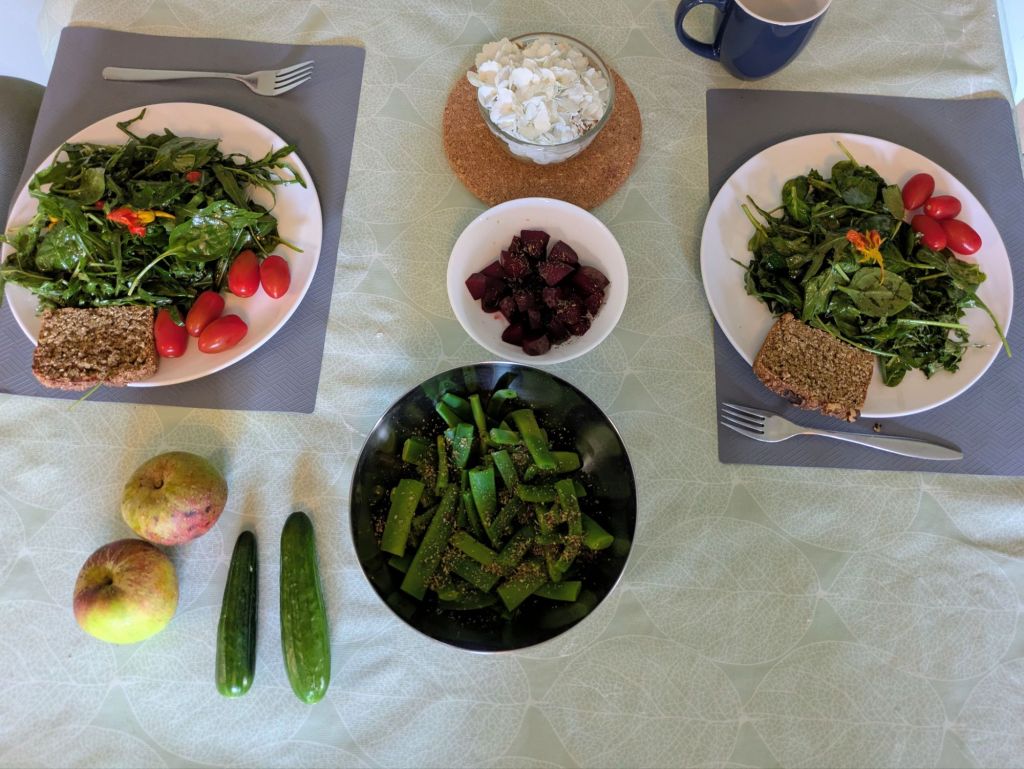
We arrive at our one room B&B and are greeted by a kind and disheveled couple (and their enormous Italian sheep herding dog), who used to run a plant nursery on the property. I inquire about the various apple trees lining the driveway and we are whisked off on a tour, where we meet three more dogs, a flock of ducks that run in unison, chickens, and horses. The property could use a bit of a trim and an organizational intervention, to say the least, but the gardens are lush and abundant. We munch on different heirloom apple varieties and the couple enthusiastically picks vegetables for us. Fresh arugula (rocket), beets, kale, nasturtium, broad beans and cucumbers all get deposited into a bag, which we turn into dinner in our little kitchenette. With some slices of fresh Irish soda bread, it hits the spot.
* At 1,038 metres, Carrauntoohil is Ireland’s highest peak. A foothill by our standards, it nonetheless has a magisterial presence.
 smallchainringbigworld
I have solo hike the Reeks. As I recall, I hiked up the Gap of Dunloe and then branched off to social trails created by sheep and slogged my way to the top of Carintouil (sp?). Was one of your pass rides up the gap of dunloe? it was quite popular with horse drawn carriages and a very nice place for scones and jam half way up.
LikeLiked by 1 person
You’ve taken me back to my visit many years ago wih my stepbrother, James Hayes, and his wife, Lorraine, both active artists who have lived now in Bray, just outide Dublin, for many years. I stayed with them in Caherisaveen and we took a road trip (James navigated the twisty turns mountainous roads with ease) one day through the Macgillucuddy reeks. I got a kick out of the herd of cattle which blocked our path (a “traffic jam” in that area), as well as the name of the reeks ( my paternal grandfather used to affectionately call me “Mrs. Macgillucuddy”). Such a lush and beautiful part of the world.
LikeLiked by 1 person
sorry, I added a correction note to the wrong blog post: I should have written “maternal” grandfather, not “paternal ” (must be thinking of our dad, Allegra).😅💞
LikeLike
I happen to have some experience with Irish houses, because I spent the holidays there in 1999 including New Years Eve at a bar in Cork called The Blackbriar where a band called “I Can Tina” played only Ike and Tina Turner covers.
In Ireland, houses have driveways all the way around due to a combination of historical tradition, weather conditions, practicality, and ease of access for modern utility and drainage systems. This design creates a durable, low-maintenance apron around the entire home.
Historical practice
Weather and drainage
Modern practicality
Maintenance and aesthetics
LikeLiked by 1 person
Beautiful! And your tactful description of what sounds like a rather run-down B&B – and your photograph of what looks like a great meal – are fascinating!
Eat all the potatoes you can! It’s like eating rice in China. Recognition of national traditions and tragedies.
Love, E
LikeLiked by 1 person
Ricco, this is excellent and just the sort of well researched treatise on Irish driveways I expected from you. You win a free blog subscription for the next year! 😃
LikeLike
Wide smile. Heart swell. Love and envy. Particularly of that apple and freshness in your lungs.
LikeLiked by 1 person